
Recall.ai
Recall.ai's API instantly records and transcribes your meetings to build powerful tools.
About Recall.ai
Recall.ai is the powerful, developer-friendly API that gives your application the ability to capture everything that happens in a meeting. Think of it as the universal infrastructure layer for meeting data. It seamlessly connects to platforms like Zoom, Microsoft Teams, and Google Meet to pull out high-quality recordings, accurate transcripts, and rich metadata—all through a few lines of code. Whether you're building AI-powered meeting assistants, conversation intelligence platforms, or internal productivity tools, Recall.ai handles the complex, time-consuming backend work. This means your engineering team can skip months of building and maintaining integrations, dealing with API changes, and handling audio/video processing. Instead, you can focus on creating unique value for your users, launching sophisticated recording features in days, not months. Trusted by thousands of companies, Recall.ai helps organizations improve productivity, ensure compliance, and unlock actionable insights from every conversation.
Features of Recall.ai
Meeting Bot API
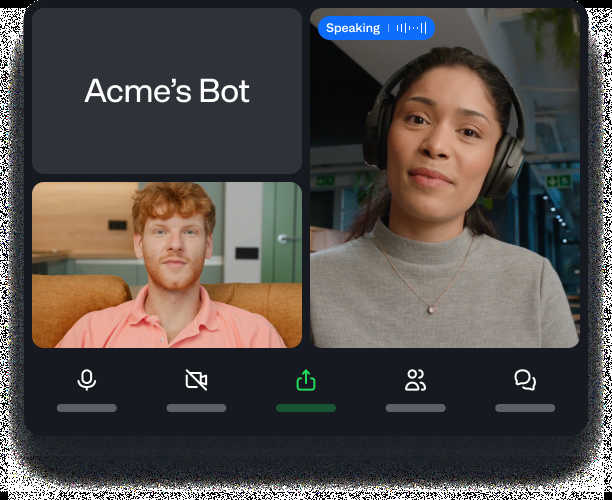
This feature allows you to send a virtual "bot" participant into a video call to record it. It's the perfect solution when you need explicit consent from meeting participants, as the bot is a visible attendee. Beyond just recording, you can use this API to build interactive AI agents that can listen, transcribe in real-time, and even respond by sending chat messages or displaying images during the meeting itself. It provides a transparent and reliable way to capture meeting data.
Desktop Recording SDK
For a more seamless, "stealth" recording experience that doesn't require a bot in the call, the Desktop Recording SDK is the answer. Users install a lightweight desktop application that securely captures meetings directly from their computer's system audio and video. This method is ideal for recording internal meetings, one-on-ones, or user interviews where a bot might be intrusive, offering a frictionless way to gather data without altering the meeting's dynamic.
Comprehensive Data Extraction
Recall.ai goes far beyond simple audio capture. Its API delivers over 100 structured data points from every meeting. This includes perfect speaker diarization (who said what), separate audio and video streams for each participant, screenshare content, chat messages, participant emails, and rich meeting metadata. This granular data is what powers advanced analytics, AI training, and detailed post-meeting summaries.
Enterprise-Grade Reliability & Security
Built to support thousands of companies, Recall.ai's infrastructure is robust and secure. It boasts enterprise-level certifications including SOC 2, ISO 27001, HIPAA, GDPR, and CCPA compliance. This ensures that your meeting data is handled with the highest standards of security and privacy, giving you and your customers peace of mind when dealing with sensitive conversations.
Use Cases of Recall.ai
Conversation Intelligence & Sales Coaching
Platforms in the sales tech space use Recall.ai to automatically record and transcribe sales calls. Coaches and managers can then analyze these transcripts to provide feedback on talk-to-listen ratios, keyword usage, and objection handling. This data helps train sales teams, improve win rates, and ensure consistent messaging across the organization, all powered automatically by the API.
AI-Powered Meeting Assistants
Developers are building the next generation of AI "scribes" and notetakers with Recall.ai. By piping real-time transcripts and audio into their AI models, they can create assistants that generate meeting summaries, extract action items, and even answer questions about what was discussed—all without any manual note-taking required.
Internal Knowledge Management
Companies use Recall.ai to record internal meetings, workshops, and training sessions. These recordings and transcripts are then automatically indexed and stored in their internal wiki or knowledge base. This creates a searchable archive of institutional knowledge, making it easy for employees to find information and for new hires to get up to speed quickly.
Compliance and Legal Documentation
For industries like legal, finance, and healthcare, accurately documenting conversations is critical for compliance. Recall.ai provides a verifiable, high-fidelity record of meetings, including who attended and what was said. This audit trail is essential for client disputes, regulatory reviews, and maintaining a clear record of decisions and commitments.
Frequently Asked Questions
What meeting platforms does Recall.ai support?
Recall.ai currently offers robust API support for all major video conferencing platforms, including Zoom, Microsoft Teams, Google Meet, and Slack Huddles. This wide coverage ensures you can build a unified meeting data solution for your users, regardless of which platform they prefer to use for their calls.
How does the Meeting Bot handle recording consent?
The Meeting Bot API is designed with consent in mind. The bot joins the meeting as a visible participant, similar to a human attendee. This clear presence means all participants are aware the meeting is being recorded, which helps you adhere to consent laws and company policies. The bot's visibility provides the transparency needed for ethical recording.
Is my data secure with Recall.ai?
Absolutely. Security is a top priority. Recall.ai is SOC 2 Type II, ISO 27001, HIPAA, GDPR, and CCPA compliant. Their infrastructure is built with enterprise-grade security practices, ensuring that all meeting data—audio, video, and transcripts—is encrypted in transit and at rest, giving you and your customers full confidence.
Can I get real-time data from meetings?
Yes! Recall.ai provides both real-time and post-meeting (asynchronous) data streams. You can get live transcripts, real-time audio/video streams, and chat messages as the meeting happens. This enables you to build live captioning, real-time sentiment analysis, or interactive AI agents that can participate in the conversation dynamically.