
Alternatives to Apviso
Explore the best alternatives and competitors to Apviso.
Explore 20 alternatives to Apviso. Compare features, pricing, and find the best fit for your needs.

BlazePhoenix
On-chain DEX aggregator: the swap route is computed inside the transaction that executes it. No API key, no signup.
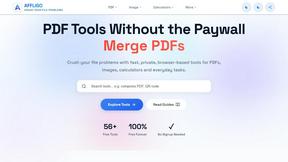
AFFLIGO
AFFLIGO is a free online toolkit for everyday file tasks. Easily edit PDFs, compress images, convert file formats, and get things done.

SightRadar
Face recognition API, a drop-in replacement for AWS Rekognition. Index, search, compare and detect faces, billed per photo with no subscription.

JevModel
Bilingual console and guide for the jev decision model: classify, route, and score text or JSON.

LinkIntel
MCP server giving your AI assistant your X post results and X’s ranking weights, with sources.
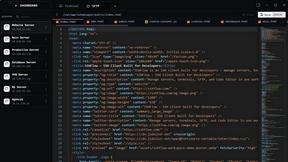
SSHFlow
SSH client for developers with integrated SFTP, code editing, terminal workspaces, server monitoring, and AI assistance.

SafePDF
Free online PDF tools to merge, split, compress, convert, sign, and edit PDFs privately in your browser. No signup required.

JustTools
JustTools offers a growing collection of free online tools that run directly in your browser, with no sign-up and no uploads.

ShipNLaunch
Launch your Saas, AI tool on ShipNLaunch and get discovered through product pages, weekly rankings, categories, and maker profiles.
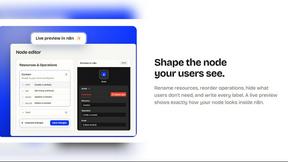
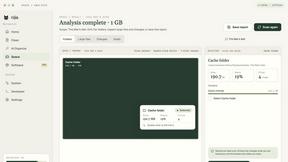
Nijia
A paid Mac app with local AI-assisted file organization, editable proposals and reviewed storage cleanup.
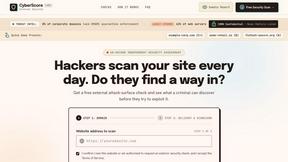
CyberScore Labs
Enter your website address. In 60 seconds, get a free private report showing what hackers can see from the outside, and exactly how to fix it.
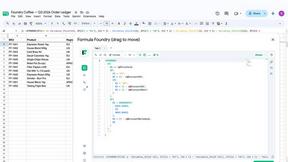



Luminus Tools
A fast, privacy-first suite of online calculators, financial desks, health trackers, and developer utilities running completely in your browser withou


Oeneo AI
Oeneo AI unifies image, video, and voice creation in one platform. Image is live today with leading models like GPT Image, Nano Banana, Seedream, and

Kingprompt
KingPrompt is a free prompt engineering workbench to build, tune, and structure prompts for Claude, GPT, Gemini, DeepSeek, and Llama.

shardstitch
ShardStitch helps recover and hand off AI coding work, with a visual website editor and SEO Guardrails MCP in development.
About Apviso Alternatives
Apviso is a self-hosted BYOK AI-DAST platform designed for autonomous penetration testing of web applications. This innovative tool allows users to run AI-powered penetration tests directly from their own environment, utilizing their preferred AI provider and API keys. Unlike traditional Dynamic Application Security Testing (DAST) scanners, Apviso functions more like an autonomous pentester, exploring the target application, analyzing its behavior, testing for vulnerabilities, and delivering structured findings complete with evidence. It caters to security teams, developers, SaaS companies, and compliance-driven organizations seeking deeper automated security validation while maintaining control over their data. Users often search for alternatives to Apviso for various reasons such as pricing, specific feature sets, or compatibility with particular platforms or systems. Organizations may require different functionalities or prefer a different approach to security testing that aligns more closely with their unique needs. When considering alternatives, it's essential to evaluate factors like the level of automation, ease of integration into existing workflows, the ability to maintain data privacy, and the overall user experience. This ensures that the chosen solution not only meets technical requirements but also enhances the team's efficiency and effectiveness in securing applications.
FAQs about Apviso Alternatives
What is Apviso?
Apviso is a self-hosted BYOK AI-DAST platform that facilitates autonomous penetration testing of web applications. It allows organizations to conduct AI-powered security assessments from their own environment while utilizing their preferred AI provider and API keys. This innovative approach sets it apart from traditional DAST scanners.
Who is Apviso for?
Apviso is designed for security teams, developers, SaaS companies, and compliance-driven organizations that require advanced security validation for their web applications. It is particularly beneficial for teams that need to perform testing on private, local, staging, and production systems without compromising sensitive data.
Is Apviso free?
Apviso is not a free tool; it operates under a self-hosted model that typically involves licensing or subscription costs. However, the investment may yield significant returns in terms of enhanced security and control over data, making it a valuable tool for organizations that prioritize application security.
What are the main features of Apviso?
Apviso offers a range of features including autonomous penetration testing, exploration of target applications, reasoning about application behavior, and testing for vulnerabilities. It generates structured findings with evidence, providing a comprehensive overview of security issues. Additionally, the self-hosting capability ensures that sensitive data remains within the organization's infrastructure.