
Alternatives to Decker
Explore the best alternatives and competitors to Decker.
Explore 20 alternatives to Decker. Compare features, pricing, and find the best fit for your needs.
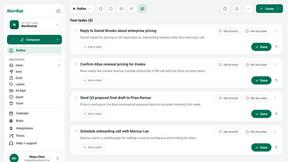
this+that
An AI agent that reads every email and chat message your team gets, turns requests into tasks, and does what they ask.
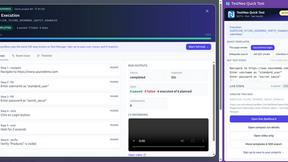
TestNeo
TestNeo.ai is an AI-native engineering and release assurance platform that helps teams automate web and API testing using natural language.
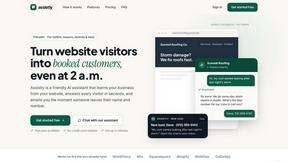
Assistly
An AI receptionist on your website that answers visitors 24/7 from your own content and captures every lead.

Vedic AstroGPT
explore your vedic birth chart, check compatibility and ask ai-assisted astrology questions with free tools and optional paid credits.

VideoAnalyzerAI
Generate recreation image and video prompts for an AI Video or generate creation prompts for an AI Video Idea you have.
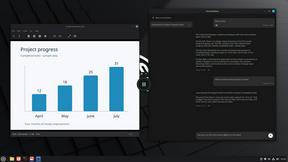
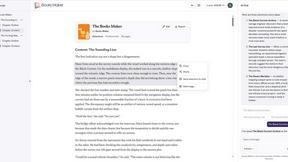
Booksmaker.ai
Books Maker AI is the AI-powered platform that turns your idea into a professional book.
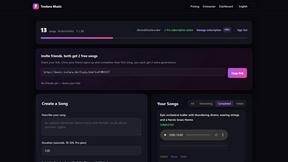
Toolara Music
Describe a song in plain text and get a complete track — vocals or instrumental, custom lyrics, up to 120 seconds, MP3 download
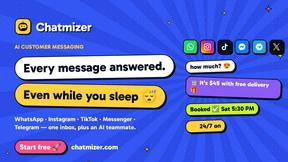
Chatmizer
Chatmizer is an AI-powered SaaS platform for chatbots, WhatsApp automation, social messaging, CRM, lead generation, and sales workflows.

LinkIntel
MCP server giving your AI assistant your X post results and X’s ranking weights, with sources.
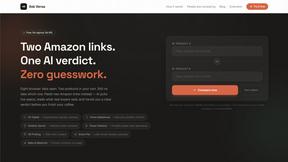
Ask Versa AI
AI verdicts for any two Amazon products, in seconds. Live specs plus real buyer reviews, scored 0-100, one clear winner. Free, no account.


TryThatTool
Discover AI tools worth trying. Compare options, explore practical reviews, and build your own AI stack based on your goals and budget.
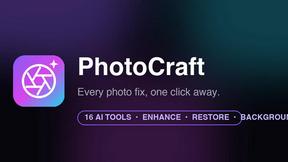

TimeLoop
TimeLoop: AI Day Planner is a free AI productivity tool that helps you turn a simple description of what you need to do into a more organized daily pl
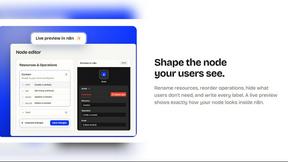
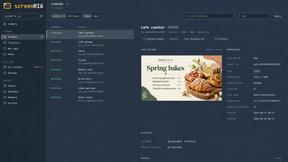
screenRIG
Signage and kiosk infrastructure for AI agents. Your agent publishes images, video, streams, web pages and apps to screens via one plugin.screenRIG is

About Decker Alternatives
Decker is a command center designed for what it calls composable sovereign agentic infrastructure, which means it helps organizations build and manage the systems that AI agents use to operate. It falls under the broad categories of AI Assistants and Automation, but its focus is less on individual chatbots and more on the underlying infrastructure that allows multiple AI agents to query data, trigger workflows, and access governed services securely. Users often look for alternatives to Decker when they need a simpler, more focused solution for a specific use case like basic task automation, or when they find Decker’s comprehensive, infrastructure-first approach too complex or expensive for their current stage of development. Others might seek alternatives because they need a platform that integrates more tightly with their existing, non-agentic legacy systems or because they prefer a different deployment model that doesn’t require as much control over the underlying cloud or on-premise environment. When choosing an alternative to Decker, you should first assess whether you truly need a full agentic infrastructure command center or if a simpler tool for human-facing automation or a single-agent assistant will suffice. Look for a solution that matches your team’s technical expertise—some alternatives offer no-code builders while others require deep coding knowledge. Also consider where your data lives and how the tool handles security, governance, and auditing, especially if you operate in a regulated industry. Finally, evaluate how the alternative scales: does it allow you to start with a simple workflow and later add more complex agentic capabilities without completely rebuilding your operating layer? The right choice balances current needs with future flexibility.