
Alternatives to LeadSonar
Explore the best alternatives and competitors to LeadSonar.
Explore 20 alternatives to LeadSonar. Compare features, pricing, and find the best fit for your needs.
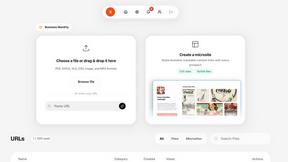
SendNow
SendNow helps teams securely share sensitive files, track engagement, and manage branded deal rooms. Control downloads, expiration, and viewer access.
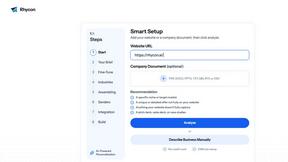
Rhycon
AI sales prospecting for B2B teams, connecting company research, personalized outreach, reply handling and meeting coordination.
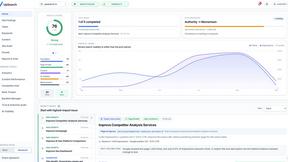
UpSearch
AI-powered SEO growth platform that turns search, analytics, crawl, competitor, and AI-visibility data into prioritized actions.
Optilise
Optilise is a Dutch Power BI consultancy helping SMEs get a grip on their numbers with clear BI software and solutions. We make companies self suffici
Tooltrim
Find the right software for your workflow, compare alternatives, avoid overlapping tools, and build a smarter, leaner software stack.`
VoltTrack
VoltTrack is an AI electrical estimating app for fast estimates, takeoffs, blueprint analysis, invoicing, and job management.
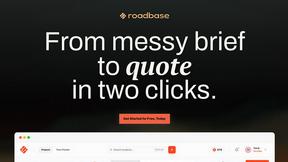
Roadbase
Roadbase turns a pasted brief or PDF into an editable project plan, timeline, and quote. In two clicks.

Prava Ai
PRAVA AI is an AI-native cybersecurity platform built to help organizations predict, prevent, and protect against modern cyber threats.
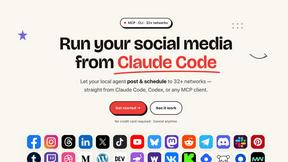
Groniz
Run your social media on autopilot with AI agents. Post & schedule to 32+ networks from Claude Code, Codex, or Console.
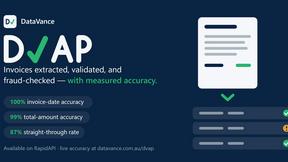
DataVance
Invoice extraction is only useful if you know when it's wrong — DVAP attaches a 0–1 confidence score to every value it returns.
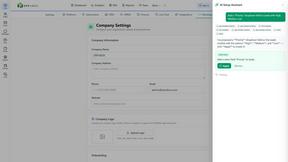
ERPnBox
ERPnBox is your business, unboxed — describe what you do and AI builds it in minutes.
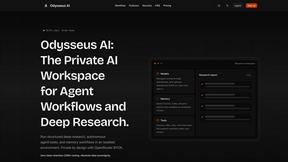
Odysseus AI
Odysseus AI is a private workspace for deep research and autonomous agents, with zero-data-retention routing, OpenRouter BYOK, and MCP integration.
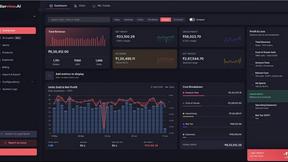
Sellerview.ai
SKU-level profit analytics for Amazon FBA sellers. Track true margins after fees, ads, and returns. Stop guessing, start managing profit.
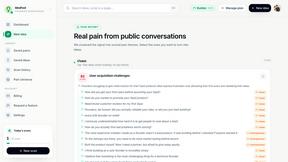
ideaFast
IdeaFast helps you find real customer pain from Reddit, see the evidence behind it, and turn the strongest problems into startup ideas worth building.

HuntBug
HuntBug helps you run bug bounty programs that ship fast, triage confidently, and pay researchers the day a fix lands.
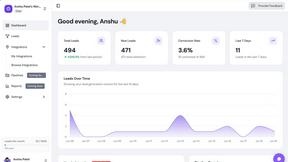
LeadInbox.io
Stop paying for bloated CRMs and let LeadInbox automatically capture, organize, and convert every lead from your forms, webhooks, or Meta Ads.
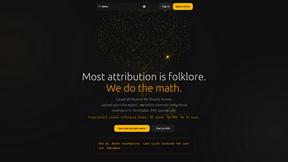
Causality Engine
Stop guessing which ads actually drive sales and start knowing with causal data that works without pixels or hype.
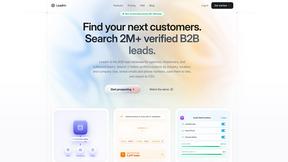
Leadriv.com
Leadriv helps you find and export verified B2B leads by simply describing your ideal customer to its AI.
About LeadSonar Alternatives
LeadSonar is a B2B lead intelligence platform that helps sales and marketing teams find, verify, and enrich their prospects. It belongs to the business intelligence and lead generation software category, specifically focusing on providing high-quality contact data through a waterfall system that pulls from 18 different data providers. The platform goes beyond simple data collection by offering over 30 enrichment fields, AI-powered lead scoring for ideal customer profile fit, and even writes personalized cold email openers that feel hand-crafted based on a lead's role and industry. Users commonly look for alternatives to LeadSonar for several practical reasons, including budget constraints where the pricing model may not fit a smaller team or startup, or a need for a more simplified tool that focuses on just one aspect like email verification or basic enrichment. Others might find the platform offers more features than they actually need, or they may be looking for a solution that integrates more seamlessly with their existing tech stack. When choosing an alternative, it’s important to evaluate the accuracy and freshness of the data, the depth of enrichment fields offered, the ease of use for your specific workflow, and whether the tool provides the specific lead scoring or personalization capabilities that matter most to your sales process.
FAQs about LeadSonar Alternatives
What is LeadSonar?
LeadSonar is a B2B lead intelligence platform designed to help sales teams find, verify, and enrich their leads. It uses a unique waterfall system that pulls data from 18 different providers to ensure high accuracy and coverage, offering over 30 enrichment fields per lead. The platform also includes AI-powered features to score leads for ideal customer profile fit and to write personalized cold email openers.
Who is LeadSonar for?
LeadSonar is built for B2B sales professionals, marketing teams, and revenue operations who need reliable lead data and personalized outreach at scale. It is particularly useful for teams that want to move beyond generic email blasts and focus only on leads that are most likely to convert. The platform serves businesses of various sizes, from growing startups to established enterprises looking to streamline their lead generation and qualification processes.
What are the main features of LeadSonar?
LeadSonar offers several key features including a waterfall of 18 data providers for lead finding and enrichment, AI-powered lead scoring to determine ICP fit, and AI-written openers that generate personalized subject lines and opening lines based on a lead's role, company, and industry. Additionally, it provides email deliverability verification to ensure your team only works on leads that can actually be reached. These features combine to help teams work more efficiently on high-converting prospects.
Is LeadSonar secure?
While specific security certifications are not detailed in the provided content, LeadSonar operates as a professional B2B data platform that handles sensitive business contact information. As with any reputable lead intelligence tool, it is expected to follow standard data protection practices and compliance regulations. Users should review LeadSonar's official website or contact their sales team for detailed information on their security protocols, data encryption, and compliance with regulations like GDPR or CCPA.