
Alternatives to Memnode
Explore the best alternatives and competitors to Memnode.
Explore 20 alternatives to Memnode. Compare features, pricing, and find the best fit for your needs.
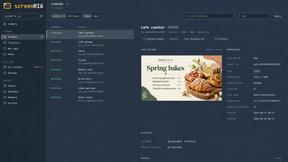
screenRIG
Signage and kiosk infrastructure for AI agents. Your agent publishes images, video, streams, web pages and apps to screens via one plugin.screenRIG is

Kingprompt
KingPrompt is a free prompt engineering workbench to build, tune, and structure prompts for Claude, GPT, Gemini, DeepSeek, and Llama.

shardstitch
ShardStitch helps recover and hand off AI coding work, with a visual website editor and SEO Guardrails MCP in development.

Sayble
AI copilot that tells you what to say next on live sales calls, then writes the recap and follow-up.

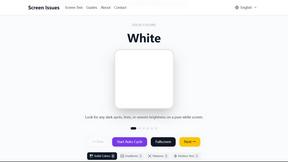
Screen Issues
Free Online Screen Test Tool - Instantly diagnose dead pixels, lines, color issues, and flickering. Multiple test modes, no download needed.


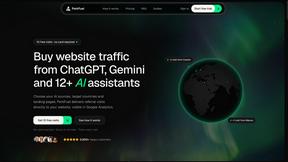
PerkFuel
Generate targeted referral traffic from leading AI assistants like ChatGPT, Gemini, Claude and Perplexity.

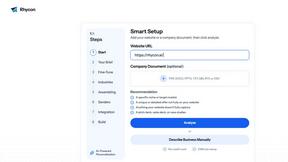
Rhycon
AI sales prospecting for B2B teams, connecting company research, personalized outreach, reply handling and meeting coordination.

LeadRealizer
Leadrealizer keeps your sales in one place- WhatsApp, email, calls, LinkedIn; and turns scattered follow-ups into a clear daily plan. Your AI sales co

Agent Ops Club
Learn to set up, run and sell AI Employees for yourself and for clients. Start with a free account.

NTP CareerPilot AI
Beyond resumes: evidence-based AI career intelligence for job fit, career growth, and JD-targeted English resumes.

Mina Flow
Speak at 180+ WPM directly into any Mac app. Offline Whisper STT, AI Polish, and voice macros with zero monthly fees.

AI WebMaker
AI WebMaker transforms website creation into an effortless, conversational experience by eliminating the need for coding or design skills.


Zahvox
Free voice-to-writing tool that turns spoken thoughts into editable text for notes, emails, drafts, and workflows.

Flico.art | Free AI Video Generator
Turn an image into an AI video in seconds. Free to generate, no sign-up. Upload any photo and choose from anime, realistic & cinematic styles.
About Memnode Alternatives
Memnode is an innovative solution designed to provide persistent memory for AI agents, allowing them to retain and recall information over time without the need for users to build their own systems. This product falls under the category of AI Assistants, specifically targeting use cases like coding support, customer assistance, and research workflows. By utilizing a hosted API or a local MCP server, Memnode simplifies the process of creating long-term memory for AI agents, offering features like inspectable recall and shared tenants. Users often seek alternatives to Memnode for various reasons, which can include considerations such as pricing structures, specific feature sets, and compatibility with existing platforms. When searching for an alternative, it’s essential to evaluate the functionality that meets your unique needs, such as the type of memory management offered, ease of integration, and the level of support provided. Additionally, understanding the scalability and security features of the alternative can help ensure that it aligns with your operational goals.
FAQs about Memnode Alternatives
What is Memnode?
Memnode is a platform that provides persistent memory for AI agents, enabling them to retain and recall information over extended periods. It offers a hosted API and a local MCP server option, making it versatile for different use cases. This tool is particularly valuable for applications that require durable recall and structured memory management.
Who is Memnode for?
Memnode is designed for developers and organizations looking to enhance the capabilities of AI agents, particularly in areas like coding assistance, customer support, and research. It is suitable for teams that need reliable long-term memory functionality to improve their workflows and interactions with users.
Is Memnode free?
Memnode is not a free service; it typically operates on a pricing model that reflects its features and capabilities. Users should consult the official website or contact the sales team for detailed pricing information and to understand the different plans available based on usage needs.
What are the main features of Memnode?
Memnode boasts several key features, including inspectable recall, provenance, scoped tokens, and the ability to manage shared tenants. These features enable users to easily track information lineage, manage memory across sessions, and implement corrections seamlessly, which is essential for maintaining accuracy in AI interactions.