
AutoPhish vs Cybersecurity Readiness Game
Side-by-side comparison to help you choose the right AI tool.

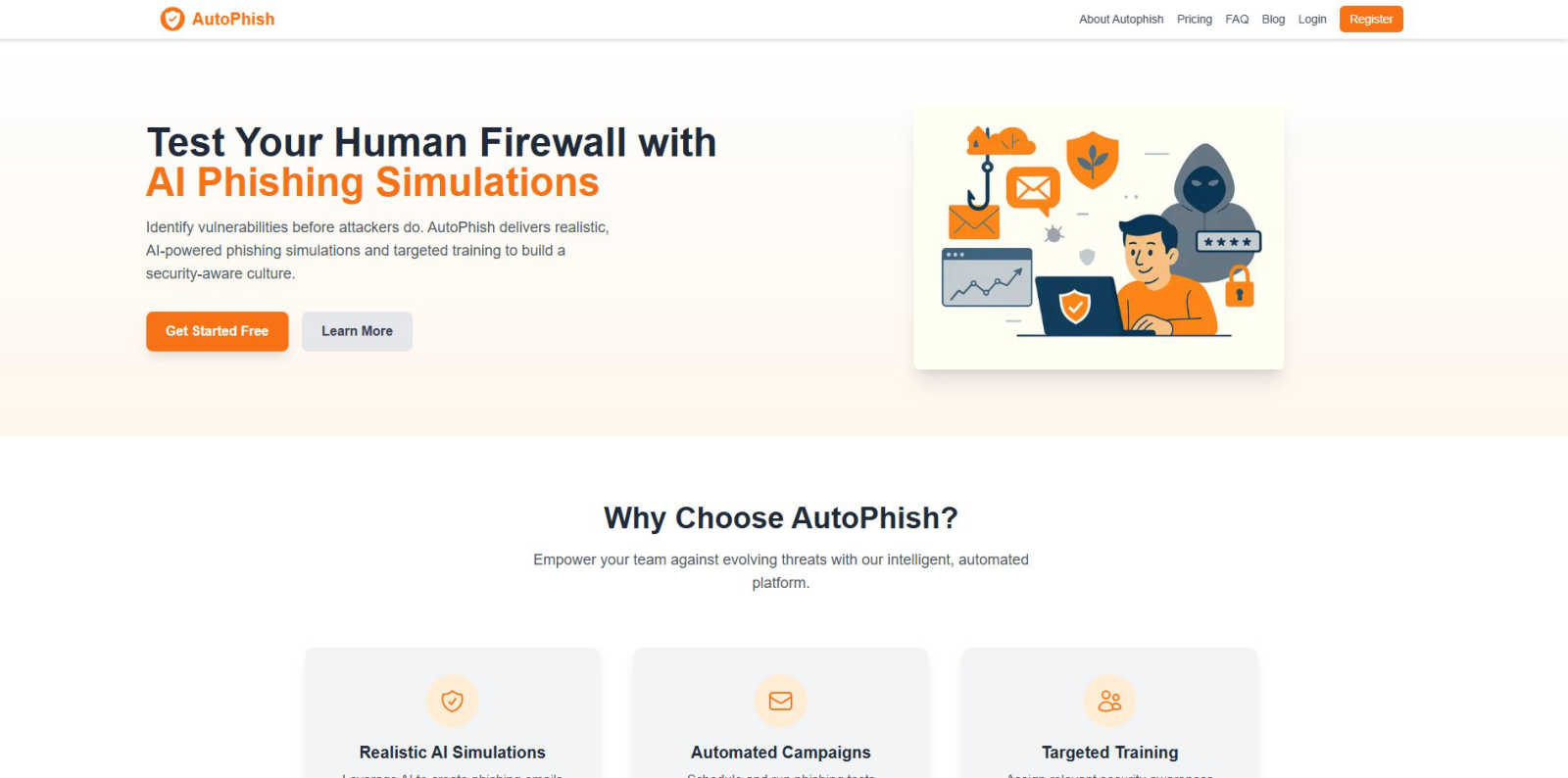
AutoPhish uses AI simulations to train your team against real phishing threats.
Last updated: March 1, 2026

Cybersecurity Readiness Game
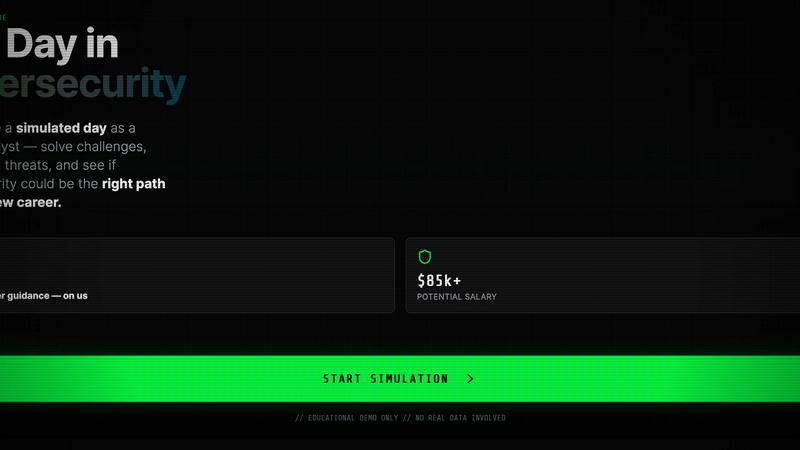
Simulate breaches to test team cyber decisions.
Visual Comparison
AutoPhish
Cybersecurity Readiness Game
Overview
About AutoPhish
AutoPhish is your intelligent partner in building a stronger, more resilient human firewall against cyber threats. In today's digital world, sophisticated phishing attacks are a top concern, often slipping past technical defenses to target your employees directly. AutoPhish tackles this challenge head-on by providing realistic, AI-generated phishing simulations that mimic the exact tactics used by real-world attackers, all tailored to your specific industry. This isn't about tricking your team; it's about empowering them with practical, hands-on experience in a completely safe, controlled environment. Designed for organizations of all sizes—from ambitious startups to established enterprises—AutoPhish helps you proactively strengthen your cybersecurity posture without overwhelming your IT team or budget. The platform automates the entire process, from scheduling campaigns to delivering targeted security awareness training based on each user's performance. This makes continuous security education not just effective, but also manageable. The core mission is simple: transform your employees from potential security vulnerabilities into your first and most reliable line of defense, fostering a lasting culture of security awareness that can adapt as threats evolve.
About Cybersecurity Readiness Game
This cybersecurity readiness tool puts you inside real-world threat scenarios to practice critical decisions before an actual incident occurs. With no registration required, participants engage with credible challenges, evaluate the impact of the choices, and receive clear performance insights. It's designed to close the human error gap, build skills internally, and give you a practical view of where their cybersecurity readiness truly stands.