
CloudBurn vs qtrl.ai
Side-by-side comparison to help you choose the right AI tool.

CloudBurn
CloudBurn shows your AWS cost changes right in GitHub pull requests before they deploy.
Last updated: February 28, 2026

qtrl.ai
qtrl.ai helps QA teams scale testing with AI agents while keeping full control and governance.
Last updated: February 27, 2026
Visual Comparison
CloudBurn
qtrl.ai
Feature Comparison
CloudBurn
Automated Pull Request Cost Analysis
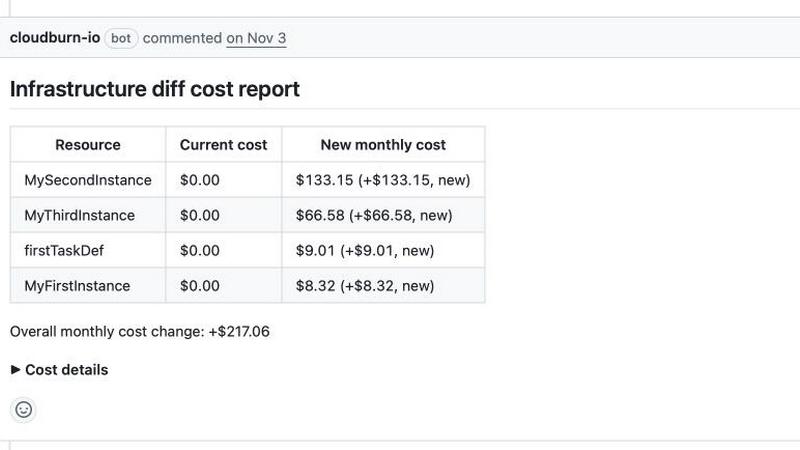
CloudBurn seamlessly integrates with your GitHub workflow to provide instant cost visibility. Whenever a developer opens a pull request with changes to Terraform or AWS CDK code, CloudBurn automatically springs into action. It analyzes the infrastructure diff, calculates the monthly cost impact using real-time AWS pricing, and posts a comprehensive report directly in the pull request thread. This automation makes cost review a natural, non-disruptive part of the code review process, ensuring no change slips through without financial scrutiny.
Real-Time AWS Pricing Data
Your cost estimates are always accurate and up-to-date. CloudBurn doesn't rely on stale, manual price lists or spreadsheets. It pulls pricing information directly from AWS, ensuring that every cost calculation in your pull request reflects the latest on-demand rates for services like EC2, Fargate, RDS, and more. This means you can trust the numbers you see, whether you're provisioning a new t3.micro instance or scaling up to a memory-optimized RDS cluster.
Detailed and Actionable Cost Reports
The tool provides clear, line-item breakdowns so you know exactly what's driving costs. A CloudBurn report doesn't just show a total; it lists each affected resource, its current cost, its new projected monthly cost, and the delta. It even breaks down the hourly rate and usage type, as shown in examples with EC2 instances and Fargate tasks. This granularity helps teams pinpoint expensive resources and have productive conversations about optimizing architecture or choosing more cost-effective alternatives before code is merged.
Secure GitHub-Centric Integration
Setup is simple and security is handled by the platform you already trust. CloudBurn is installed directly from the GitHub Marketplace and uses GitHub's robust permission system. There's no need to share sensitive AWS credentials or set up complex billing integrations. The tool operates securely within your GitHub environment, analyzing the plan or diff output from your existing CI/CD actions, which keeps your cloud account access secure and streamlined.
qtrl.ai
Enterprise-Grade Test Management
qtrl provides a robust, centralized system for all your testing artifacts. You can create and organize test cases, build detailed test plans, and execute structured test runs. Everything is linked for full traceability, allowing you to see exactly which requirements are covered by which tests. This creates clear audit trails and is built to support compliance needs, giving managers and stakeholders complete confidence in the testing process.
Autonomous QA Agents
This is the intelligent engine of qtrl. These AI-powered agents can execute high-level instructions on demand. You can describe a test scenario in natural language, like "test the checkout flow as a guest user," and the agent will run it in a real browser. They operate within your defined rules and can run continuously across different environments, providing scalable automation that adapts to your application's changes without constant manual script updates.
Progressive Automation Model
qtrl doesn't force you to jump into full AI automation. You start where you are comfortable, writing clear test instructions for the agents to follow. As trust builds, you can let qtrl suggest and generate new tests automatically based on coverage gaps or requirement changes. Every step is reviewable and approvable, ensuring your team always stays in the driver's seat while gradually increasing efficiency.
Governance by Design
Trust and control are foundational to qtrl. The platform offers permissioned autonomy levels, so you decide how much freedom the AI agents have. There are no black-box decisions; you get full visibility into what the agents are doing. Combined with enterprise-ready security, encrypted secrets management, and the fact that secrets are never exposed to the AI, qtrl provides the governance framework necessary for serious engineering teams to adopt AI confidently.
Use Cases
CloudBurn
Preventing Costly Configuration Errors
Catch simple mistakes that lead to massive bills. A common error is accidentally changing an instance type from a t3.small to a much more expensive c5n.18xlarge in a Terraform module. Without CloudBurn, this might go unnoticed until the bill arrives. With it, the pull request immediately flags a monthly cost increase of thousands of dollars, prompting the team to correct the typo and save significant money.
Enabling Proactive Architecture Reviews
Facilitate better design decisions during code review. When a team proposes a new microservice using AWS Fargate, reviewers can discuss the cost implications of CPU and memory settings in real-time. CloudBurn's report provides the data needed to balance performance requirements with budget constraints, encouraging teams to choose the most efficient resource sizing from the start, rather than over-provisioning "to be safe."
Streamlining FinOps and Budget Governance
Embed financial accountability directly into engineering teams. CloudBurn acts as an automated gatekeeper, ensuring cost considerations are part of every infrastructure change. This empowers developers to own the cost impact of their code and helps platform or FinOps teams enforce policies without being a bottleneck. It creates a scalable, collaborative approach to cloud financial management.
Optimizing Existing Infrastructure
Use cost analysis for refactoring and cleanup initiatives. When planning to decommission old resources or migrate to newer, cheaper instance types, teams can open a pull request and use CloudBurn's report to quantify the expected savings. This provides clear, documented proof of ROI for cleanup efforts and helps prioritize which projects will have the biggest positive impact on the cloud bill.
qtrl.ai
Scaling Beyond Manual Testing
For QA teams overwhelmed by repetitive manual test cycles, qtrl offers a clear path forward. They can begin by documenting their existing manual tests as structured instructions in qtrl's management module. From there, they can progressively automate the most tedious flows using the AI agents, freeing up human testers for more complex exploratory work and dramatically increasing test coverage and execution speed.
Modernizing Legacy QA Workflows
Companies stuck with outdated, script-heavy automation frameworks can use qtrl to transition smoothly. Instead of maintaining brittle scripts, teams can leverage qtrl's adaptive memory and AI agents to generate more resilient tests. The platform integrates with existing CI/CD pipelines and tools, allowing for a gradual modernization without a disruptive, all-at-once overhaul of the current process.
Ensuring Governance in Enterprise QA
Large organizations with strict compliance and audit requirements need control alongside automation. qtrl's full traceability from requirement to test execution, combined with its permissioned autonomy and detailed audit logs, makes it ideal. Engineering leads can scale QA efforts with AI while providing auditors with clear evidence of what was tested, when, and what the outcome was.
Empowering Product-Led Engineering Teams
Development teams that practice continuous deployment need fast, reliable feedback on quality. qtrl integrates into their workflow, allowing developers to write high-level test instructions for features they build. The autonomous agents can then execute these tests across environments as part of the CI/CD process, providing continuous quality feedback without requiring developers to become experts in test automation frameworks.
Overview
About CloudBurn
CloudBurn is your team's financial safety net for cloud infrastructure. It's a specialized tool designed for engineering teams using Infrastructure-as-Code (IaC) tools like Terraform or AWS CDK. Its core mission is to prevent budget-busting surprises by bringing cost awareness directly into the developer workflow. The problem it solves is all too common: a developer merges a pull request, the new resources deploy, and weeks later, the finance team is staring at a shocking AWS bill, wondering what changed. By then, it's costly and risky to fix. CloudBurn stops this cycle by providing real-time, automated cost analysis for every infrastructure change before it's merged. When a pull request is opened, CloudBurn automatically calculates the exact dollar impact of the proposed changes and posts a clear, detailed report as a comment. This empowers developers and reviewers to have informed discussions about cost versus performance upfront, fostering a culture of proactive cost management (FinOps) and preventing expensive misconfigurations from ever reaching production.
About qtrl.ai
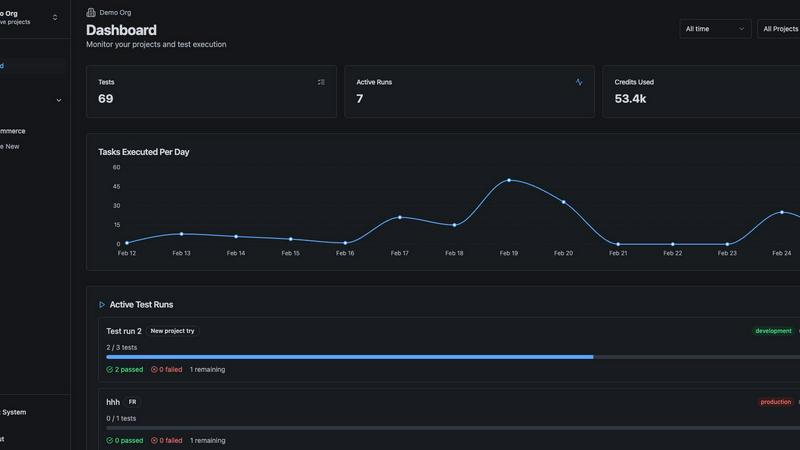
qtrl.ai is a modern QA platform designed to help software teams scale their quality assurance efforts without sacrificing control or governance. It uniquely combines enterprise-grade test management with powerful, trustworthy AI automation. At its core, qtrl provides a centralized hub where teams can organize test cases, plan test runs, trace requirements to coverage, and track quality metrics through real-time dashboards. This structured foundation ensures clear visibility into what's been tested, what's passing, and where potential risks lie for engineering leads and QA managers.
Where qtrl truly stands apart is its progressive AI layer. Instead of forcing a risky, "black-box" AI-first approach, qtrl introduces intelligent automation gradually. Teams can start with simple manual test management and, when ready, leverage built-in autonomous agents. These agents can generate UI tests from plain English descriptions, maintain them as the application evolves, and execute them at scale across multiple browsers and environments. This makes qtrl perfect for product-led engineering teams, QA groups moving beyond manual testing, companies modernizing legacy workflows, and enterprises that require strict compliance and audit trails. Ultimately, qtrl's mission is to bridge the gap between the slow pace of manual testing and the brittle complexity of traditional automation, offering a trusted path to faster, more intelligent quality assurance.
Frequently Asked Questions
CloudBurn FAQ
How does CloudBurn calculate costs?
CloudBurn calculates costs by analyzing the output of your infrastructure tool's planning command—like terraform plan or cdk diff. It extracts the resource changes from this output and then queries the official AWS Price List API to fetch the current, on-demand hourly rates for those specific services and configurations in your region. It then extrapolates these hourly costs to a monthly estimate (based on 730 hours) to give you a clear picture of the recurring financial impact.
Is my AWS billing data or access key shared with CloudBurn?
No, CloudBurn does not require access to your AWS billing data or your AWS account access keys. The integration is secure and GitHub-centric. Cost calculation is performed using publicly available AWS pricing data. Your team's specific infrastructure configuration is sent securely from your GitHub Actions workflow to CloudBurn's service for analysis, but this does not include any live AWS credentials or direct access to your account.
What Infrastructure-as-Code tools does CloudBurn support?
Currently, CloudBurn provides dedicated support for two of the most popular IaC tools: HashiCorp Terraform and the AWS Cloud Development Kit (CDK). The setup involves adding a specific GitHub Action to your repository's workflow that is designed to capture the plan or diff output from either of these tools and send it for analysis.
Can I try CloudBurn before committing to a paid plan?
Absolutely! CloudBurn offers a free Community plan to get started. They also provide a 14-day trial of the Pro plan, which gives you full access to advanced features at no cost. You can begin using it without a credit card, and you can cancel the Pro trial at any time or simply continue using the free Community plan features forever if they meet your needs.
qtrl.ai FAQ
How does qtrl's AI handle changes in my application's UI?
qtrl's autonomous agents are designed with adaptive memory. They build a living knowledge base of your application by learning from every exploration and test execution. When the UI changes, this context helps the AI understand the new structure. It can often adjust test steps automatically, and when it can't, it will flag the test for human review, making maintenance far less brittle than traditional coded automation.
Is my test data and application access secure with an AI agent?
Absolutely. Security and governance are core to qtrl's design. The platform uses enterprise-grade security practices. Crucially, any sensitive data like passwords or API keys are stored as encrypted environment secrets. These secrets are never exposed to the AI agent during execution; the system injects them securely, ensuring your credentials and data remain protected at all times.
Can I use qtrl if I only want test management without AI?
Yes, definitely. qtrl is built on a progressive automation model. You can use it solely as a powerful, structured test management platform from day one. The AI features are there to augment your workflow when you're ready. You can introduce AI-assisted test generation and execution at your own pace, starting with simple instruction-based execution and increasing autonomy over time.
How does qtrl integrate with our existing development tools?
qtrl is built to fit into real-world engineering workflows. It offers integrations for requirements management tools and full support for CI/CD pipelines. This means you can trigger test runs automatically from a pull request or a build, and feed results back into your monitoring dashboards. It's designed to work alongside your current toolchain, not replace it entirely.
Alternatives
CloudBurn Alternatives
CloudBurn is a specialized tool in the development and DevOps category that automatically provides AWS cost estimates directly within pull requests. It helps teams using Terraform or AWS CDK catch expensive infrastructure changes before they are deployed, preventing unexpected cloud bills. Users often explore alternatives for various reasons. They might be looking for different pricing models, need support for additional cloud providers beyond AWS, or require deeper integration with their specific CI/CD pipeline or project management tools. Some teams may also seek more advanced forecasting or budgeting features. When evaluating other options, it's wise to consider a few key factors. Look for accuracy in cost estimation, the breadth of supported infrastructure-as-code frameworks, and the depth of integration into your existing development workflow. The goal is to find a solution that seamlessly fits your team's process and provides clear, actionable insights to foster better cost awareness.
qtrl.ai Alternatives
qtrl.ai is an AI-powered QA platform in the test management and automation category. It helps teams organize tests, execute runs, and gain visibility into quality through structured data and real-time dashboards. Its standout feature is an AI layer that can generate and maintain UI tests from natural language. Users often explore alternatives for various reasons. These can include budget constraints, the need for different feature sets, or specific integration requirements with their existing development stack. Some teams might prioritize pure open-source tools or seek a solution focused solely on manual test case management without an automation component. When evaluating other options, consider your team's primary needs. Key factors include the platform's scalability, its support for both manual and automated testing workflows, the ease of integrating with your CI/CD pipeline, and the depth of reporting and analytics offered. The ideal tool should align with your current QA maturity while supporting your growth toward more advanced practices.