
Fusedash vs Perkoon
Side-by-side comparison to help you choose the right AI tool.

Fusedash
AI powers data viz, KPIs, dashboards & summaries.

Limitless transfers for humans & AI. No signup.
Visual Comparison
Fusedash
Perkoon
Overview
About Fusedash
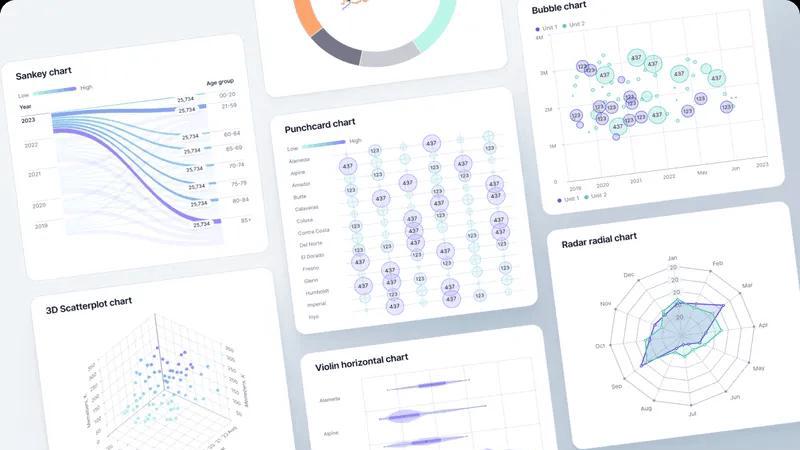
Fusedash helps teams turn connected data into decision-ready dashboards, charts, maps, and narrative reports. Instead of rebuilding the same logic in multiple tools, you can reuse consistent KPI definitions across views, filter by segment, region, product, or time, and drill down to explain what changed.
AI actions are available for tasks like data chat (ask questions in natural language), quick summaries for stakeholders, and assistance generating or refining visualizations. Fusedash also supports real-time interfaces for monitoring fast-moving metrics when minutes matter. Common use cases include KPI review dashboards for leadership, marketing and revenue performance tracking, operations monitoring, and geo analysis with map visualizations.
About Perkoon
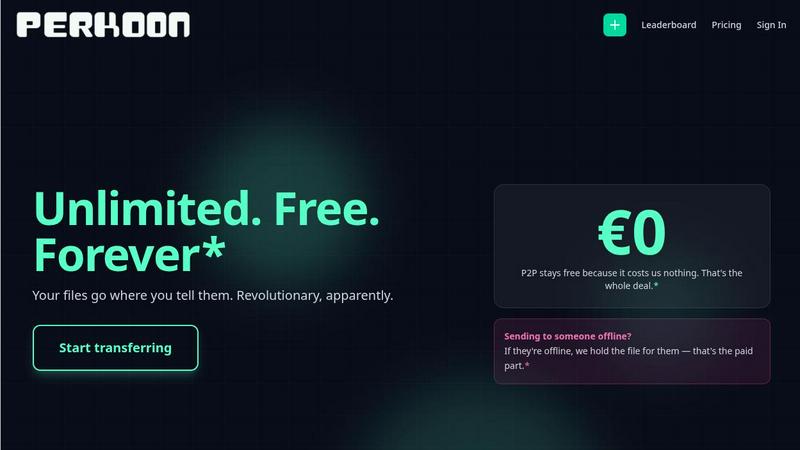
File transfer was a solved problem. Then everyone decided to make it worse — size caps, forced signups, expiring links, surprise paywalls. The usual.
Perkoon unsolved it.
Free P2P transfers beam files directly between browsers. No server in the middle. No size limit. No account. Both parties online, files move. Simple physics.
Cloud storage exists for when the other human is offline, encrypted and waiting for them whenever they show up. This one costs money. Servers aren't powered by good vibes.
Here's where it gets interesting: Perkoon is the first file transfer service built with native agent accessibility. Machine-readable state, stable DOM selectors, automation API. Your AI workflows can send and receive files without pretending to be a human clicking buttons. The future showed up early.
CLI included: npx perkoon send/receive. Works browser-to-CLI, CLI-to-CLI. Because terminals deserve nice things too.