
Lets Vocal vs Video Database
Side-by-side comparison to help you choose the right AI tool.

Lets Vocal
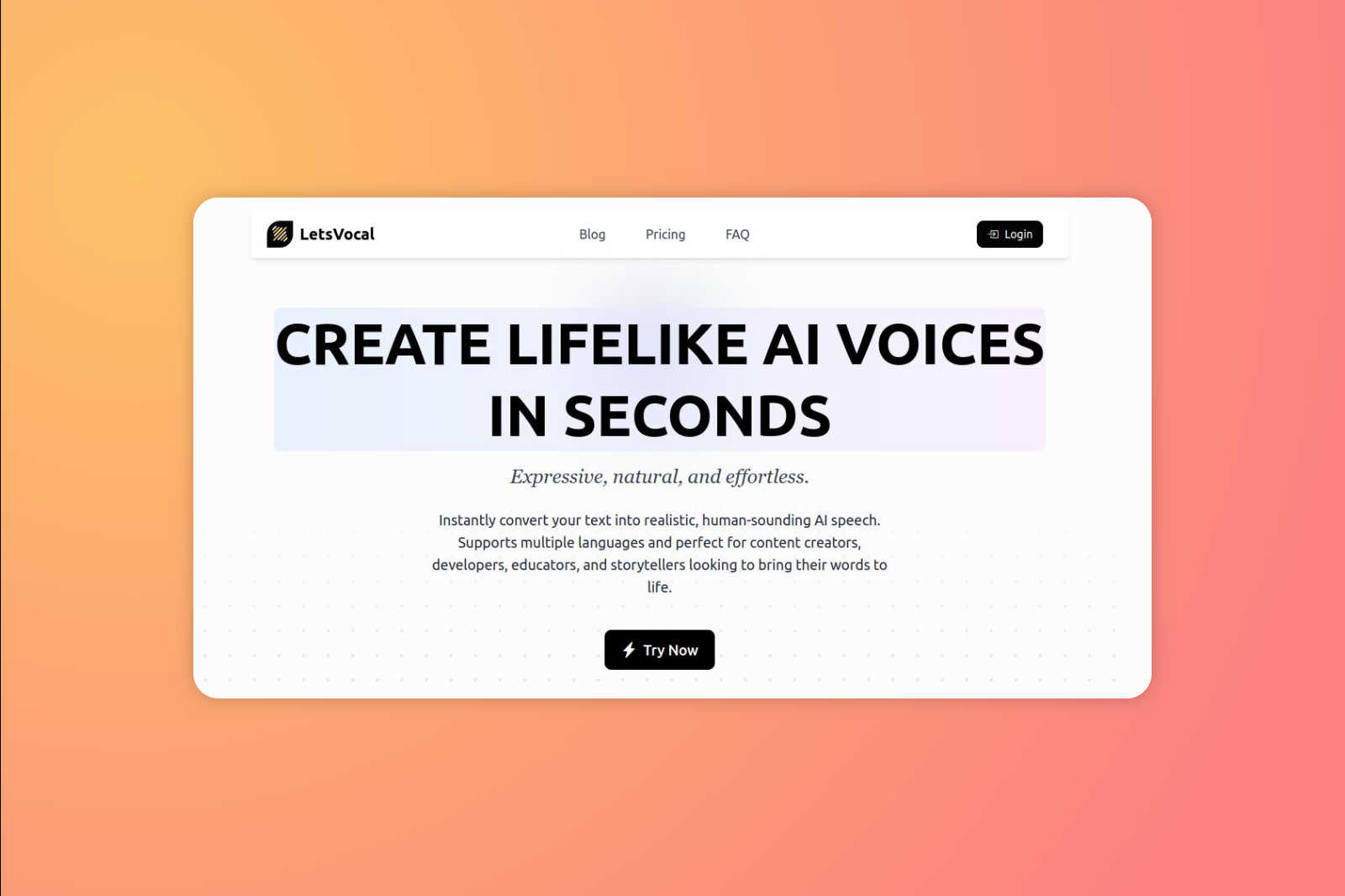
Lets Vocal creates realistic, human-like AI voiceovers with full commercial rights for all your projects.
Last updated: March 1, 2026

Video Database
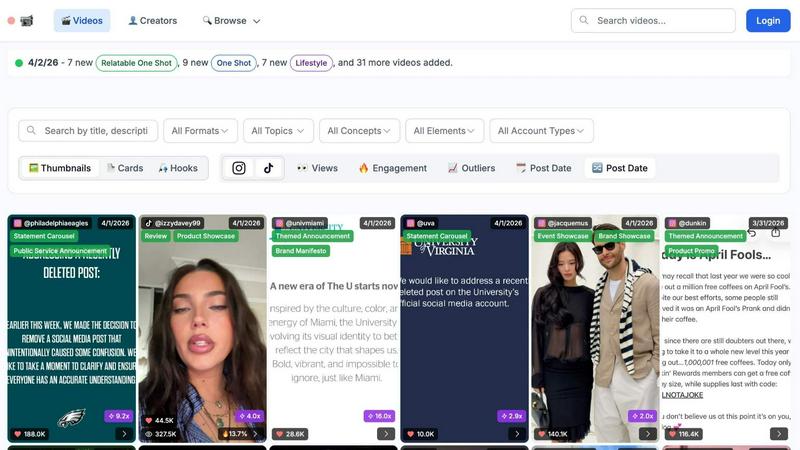
Monitors and organizes high-value creator videos.
Visual Comparison
Lets Vocal
Video Database
Overview
About Lets Vocal
Lets Vocal is your creative partner for bringing written words to life with stunningly natural, human-like voiceovers. It's a cutting-edge AI text-to-speech platform designed to eliminate the traditional barriers of audio creation. Whether you're a solo content creator, an educator building a course, or a business producing marketing materials, Lets Vocal empowers you to generate studio-quality audio in minutes, without needing expensive recording equipment or hiring voice actors. The process is beautifully simple: just type or paste your text, choose from an expansive library of realistic AI voices in multiple languages and accents, and generate your audio file almost instantly. The core value is undeniable: save significant time and money while dramatically elevating your content's professionalism and engagement. With full commercial rights included on all generated audio, you can confidently use your voiceovers in monetized YouTube videos, online courses, podcasts, advertisements, and more. Trusted by over 400 creators worldwide, Lets Vocal is the go-to solution for adding a compelling, accessible, and professional auditory dimension to any digital project.
About Video Database
The Video Database began as an internal solution to a common frustration: as creators and content strategists we need to "study the best," but this typically means endless scrolling through social platforms riding the algo waves - good or bad. Nobody needs more of that.
Cut30, our short-form video bootcamp, maintains hundreds of hand-curated reference videos throughout its curriculum—valuable examples embedded within tutorials, exercises, and lessons. However, these references were scattered across the platform without centralized organization or analysis. What started as simply organizing and categorizing those videos, was a slippery slope.