
Nani vs Video Database
Side-by-side comparison to help you choose the right AI tool.

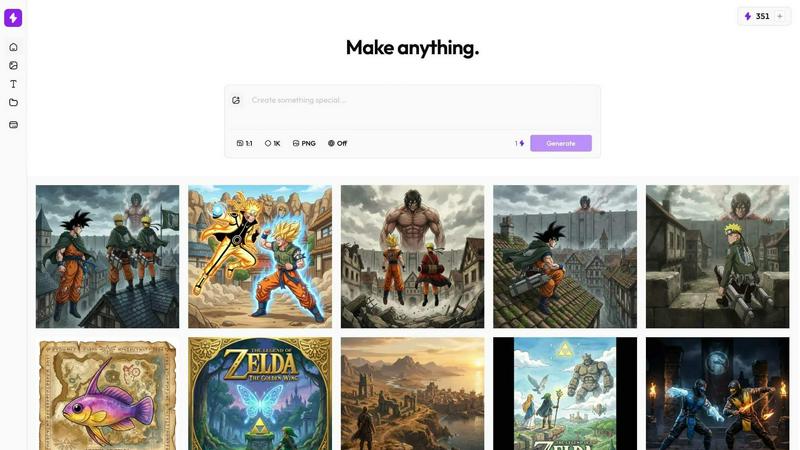
Nani simplifies AI image creation by organizing prompts and images into reusable sets for a seamless creative.
Last updated: February 28, 2026

Video Database
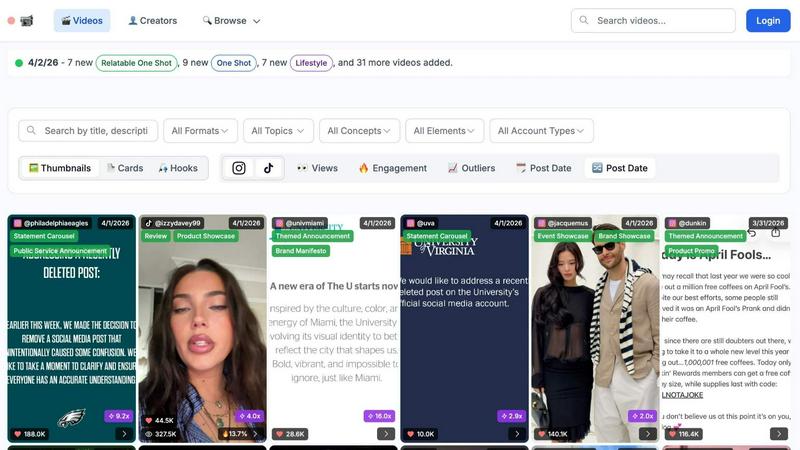
Monitors and organizes high-value creator videos.
Visual Comparison
Nani
Video Database
Overview
About Nani
Nani is an innovative workflow tool designed to revolutionize the experience of AI image generation, particularly for users engaged in regular and repetitive tasks. Unlike traditional AI image tools that often focus on one-off creations, Nani streamlines the entire image generation process, allowing users to bypass the tediousness of rewriting prompts and the challenge of sorting through endless image feeds. Built on Google's cutting-edge Nano Banana Pro (Gemini) technology, Nani serves as an all-in-one solution for artists, designers, and content creators seeking to supercharge their creative workflows. This tool features a user-friendly interface that accelerates image generation while offering unique capabilities, such as reusable prompt sets and organized folders. Nani helps you maintain consistency and efficiency, enabling you to devote more time to your creativity and less to the administrative tasks associated with image generation. With Nani, you can create stunning visuals quickly and effectively, making it an essential tool for anyone in the creative space.
About Video Database
The Video Database began as an internal solution to a common frustration: as creators and content strategists we need to "study the best," but this typically means endless scrolling through social platforms riding the algo waves - good or bad. Nobody needs more of that.
Cut30, our short-form video bootcamp, maintains hundreds of hand-curated reference videos throughout its curriculum—valuable examples embedded within tutorials, exercises, and lessons. However, these references were scattered across the platform without centralized organization or analysis. What started as simply organizing and categorizing those videos, was a slippery slope.