
Launch Llama Newsletter vs Parlo
Side-by-side comparison to help you choose the right AI tool.

Feature your tool free to 55K founders, no ads.

Parlo is an easy-to-use email marketing tool that helps you create, send, and track engaging newsletters effortlessly.
Last updated: March 1, 2026
Visual Comparison
Launch Llama Newsletter
Parlo
Overview
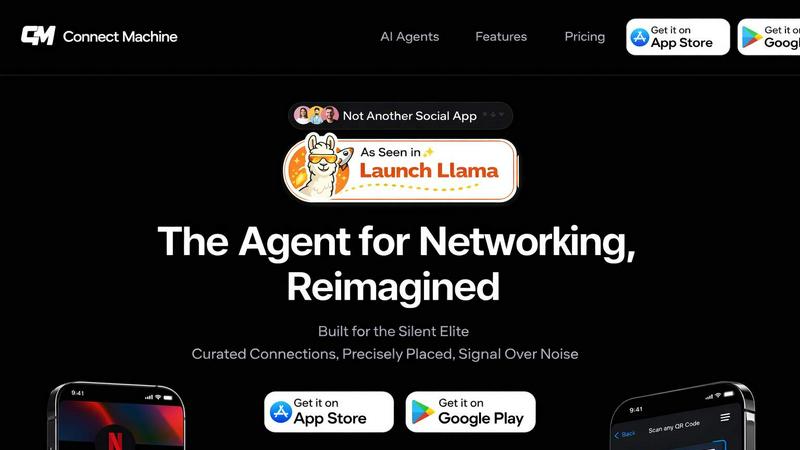
About Launch Llama Newsletter
Launch Llama is the newsletter founders use to get their first users. Every Tuesday, 55,000+ builders, indie hackers, and startup founders discover new AI and dev tools — and if you submit yours, you get featured for free. No pitch deck, no ad spend, no waiting. Founders at every stage use Launch Llama to validate ideas, drive signups, and get their first wave of real users. Alongside the newsletter, there's a free tool directory, honest product reviews, and resources like the 30-Day Launch Playbook and a 50+ prompt AI toolkit. If you're pre-launch or just shipped, this is the fastest way to get eyes on your product.
About Parlo
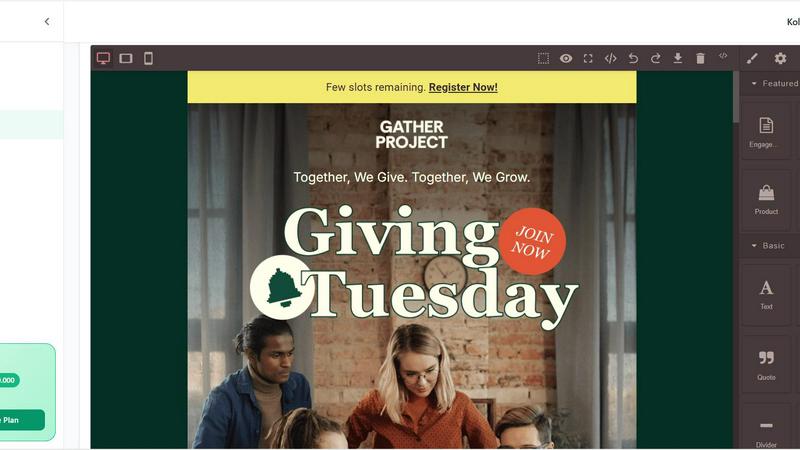
Parlo is an intuitive and affordable newsletter creation tool that empowers individuals and organizations to engage their audience effectively. Designed for bloggers, content creators, media publishers, affiliates, event promoters, and nonprofits, Parlo simplifies the complexities of traditional email marketing. With its user-friendly drag-and-drop editor and customizable templates, users can create visually stunning newsletters without any coding skills. Parlo allows for easy contact importation with custom attributes, enabling audience segmentation for targeted campaigns. This ensures that messages reach the right people at the right time. Additionally, Parlo offers essential tracking features to monitor email performance, such as open rates, click rates, and bounces, while leveraging Amazon SES for reliable email delivery. The flexible, usage-based pricing model allows users to grow their email lists without incurring additional costs, making it an ideal choice for those focused on effective communication without financial constraints.