
Mimo AI vs Qwen3 TTS
Side-by-side comparison to help you choose the right AI tool.

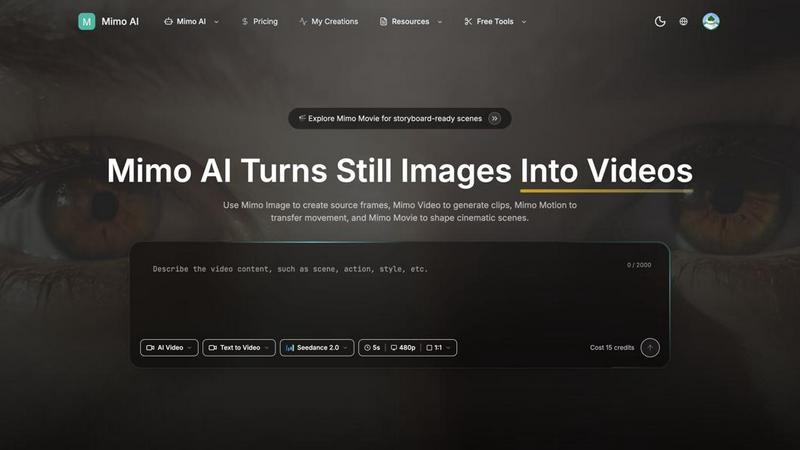
Mimo AI effortlessly transforms your images into stunning videos, enabling creators to produce professional-quality content in seconds.
Last updated: March 26, 2026

Qwen3 TTS
Transform text into lifelike multilingual speech in seconds with Qwen3 TTS's ultra-fast and seamless voice synthesis.
Last updated: February 28, 2026
Visual Comparison
Mimo AI
Qwen3 TTS
Feature Comparison
Mimo AI
Image to Video AI
Mimo AI's Image to Video feature allows users to transform static images into dynamic videos effortlessly. By applying natural motion and cinematic effects, creators can breathe life into their visuals, making them more engaging and appealing to audiences.
Text to Video
The Text to Video feature enables users to describe their vision in simple terms, allowing the AI to generate a perfect video based on text prompts. This functionality is perfect for those who want to create content without the need for extensive video editing skills.
Multiple AI Models
Mimo AI offers a selection of various AI models, such as Kling and Runway, tailored for different video styles and quality levels. This diversity allows users to choose the model that best fits their creative needs, enhancing the overall versatility of video production.
Fast Generation
With Mimo AI's optimized AI pipeline, users can generate videos in seconds. This speed is crucial for creators and marketers who need to produce content quickly to meet deadlines or engage their audience with timely updates.
Qwen3 TTS
Ultra-Fast Voice Generation
Qwen3 TTS boasts an ultra-fast processing capability, achieving first packet delivery in just 97 milliseconds. This rapid performance ensures that users can experience real-time voice synthesis, making it ideal for applications that require immediate audio feedback.
Multilingual Excellence
With support for 17 distinct voices across 10 languages, Qwen3 TTS provides exceptional multilingual capabilities. This feature includes specialized synthesis for different Chinese dialects, allowing users to create content that resonates with diverse audiences.
Free Browser Demo
Experience the capabilities of Qwen3 TTS instantly with a free, no-signup-required browser demo. Users can test the model by typing in phrases, selecting voices, and hearing the text converted to speech in real time, making it accessible for everyone.
Open Source Access
Qwen3 TTS is open-source and available on Hugging Face, enabling developers to dive deep into the model's architecture. This access allows for customization and integration into various applications, fostering innovation in voice synthesis technology.
Use Cases
Mimo AI
Social Media Content Creation
Social media influencers and brands can leverage Mimo AI to produce eye-catching videos from their image libraries. By transforming still images into dynamic content, they can maintain a consistent posting schedule without the burden of time-consuming editing.
Marketing Campaigns
Marketers can utilize Mimo AI to create promotional videos that showcase products or services. The platform's ability to generate high-quality visuals quickly allows for rapid iteration and adjustment based on audience feedback, ensuring that marketing messages resonate effectively.
Educational Content Development
Educators and content creators can use Mimo AI to develop engaging instructional videos. By converting static diagrams or images into animated sequences, they can enhance learning experiences and improve information retention for students.
Art and Animation Projects
Artists and animators can explore their creativity using Mimo AI's tools. By generating unique visual narratives through image transformations and motion transfers, they can create compelling stories that captivate their audience.
Qwen3 TTS
Application Development
Developers can seamlessly integrate Qwen3 TTS into their applications, providing users with a robust text-to-speech feature. This capability enhances user experience by adding an engaging audio dimension to apps, especially in educational and accessibility contexts.
Content Creation
Content creators can leverage Qwen3 TTS to produce high-quality voiceovers for videos, podcasts, and other multimedia projects. The multilingual support allows creators to reach a broader audience by providing content in various languages and dialects.
Customer Service Solutions
Businesses can use Qwen3 TTS to enhance customer service interactions. By implementing real-time voice generation in chatbots and virtual assistants, companies can deliver a more personalized and engaging experience for their customers.
E-Learning Platforms
E-learning platforms can utilize Qwen3 TTS to provide narrated lessons and materials in multiple languages. This feature helps cater to a global audience, ensuring that learners can access content in their preferred language for improved understanding.
Overview
About Mimo AI
Mimo AI is an innovative creative platform that seamlessly integrates four powerful tools: Mimo Video, Mimo Image, Mimo Motion, and Mimo Movie. Designed for creators, marketers, and teams, Mimo AI allows users to easily generate high-quality videos from still images, transfer motion from reference clips, and build cinematic scenes—all within a single web application. This streamlined workflow accelerates visual production, enabling users to create engaging content quickly and efficiently. Mimo AI's versatile credit-based usage system ensures that users can manage their resources flexibly, making it an ideal solution for both individual creators and larger teams looking to enhance their visual storytelling capabilities. With its user-friendly interface and advanced AI technology, Mimo AI transforms the way visual content is produced, making professional-quality videos accessible to everyone.
About Qwen3 TTS
Qwen3 TTS is an innovative AI-powered text-to-speech model designed to convert text into lifelike speech with remarkable speed and quality. This next-generation tool is built to serve a variety of users, including developers looking to integrate text-to-speech capabilities into their applications, content creators needing high-quality voiceovers in multiple languages, and businesses requiring real-time voice generation for customer engagement. With an impressive processing latency of just 97 milliseconds, Qwen3 TTS excels in delivering fast and natural-sounding speech. It supports 17 distinct voices across 10 languages, including various Chinese dialects, making it an excellent choice for multilingual applications. The open-source nature of Qwen3 TTS allows developers to easily access and customize the model for their specific needs, enhancing its value as a versatile tool in any tech stack.
Frequently Asked Questions
Mimo AI FAQ
What is Mimo AI and how do the tools fit together?
Mimo AI is a comprehensive creative platform that integrates Mimo Video, Mimo Image, Mimo Motion, and Mimo Movie. These tools work together to streamline video generation, image creation, motion transfer, and cinematic workflows, making it easier for users to produce professional-quality content.
What types of images work best with Mimo AI?
Mimo AI supports various image formats, including JPG, PNG, and WebP. To achieve the best results, images should be high-quality and relevant to the desired motion or theme, as this will enhance the final video output.
How long does it take to generate a video?
With Mimo AI's optimized AI pipeline, videos can be generated in a matter of seconds. This rapid production capability allows users to create and share content quickly, making it ideal for fast-paced environments like social media and marketing.
How does the credit system work?
Mimo AI operates on a flexible credit system, allowing users to pay as they go. Users start with free credits and can purchase additional credits as needed, ensuring that they can scale their usage according to their production requirements without financial strain.
Qwen3 TTS FAQ
What is Qwen3 TTS?
Qwen3 TTS is an AI-powered text-to-speech model that converts text into natural speech quickly and accurately. It supports multiple languages and voices, making it suitable for various applications.
How fast is the voice processing of Qwen3 TTS?
Qwen3 TTS features ultra-fast processing with a latency of just 97 milliseconds, allowing for real-time voice synthesis that is ideal for interactive applications.
Can I try Qwen3 TTS without signing up?
Yes, Qwen3 TTS offers a free browser demo that allows users to experience its capabilities without any signup required. You can test the model instantly by typing in text and choosing different voices.
Is Qwen3 TTS open source?
Yes, Qwen3 TTS is open-source and available on Hugging Face. This provides developers with the opportunity to access the model, customize it, and integrate it into their projects easily.
Alternatives
Mimo AI Alternatives
Mimo AI is an innovative platform that specializes in transforming the creative process for users involved in content creation, design, and video production. By integrating tools for image-to-video conversion, AI image generation, motion transfer, and storyboard-ready scenes, it provides a seamless workflow for creators, marketers, and teams looking to produce high-quality visuals quickly and efficiently. Users often seek alternatives to Mimo AI for various reasons, including pricing structures, specific feature sets, or compatibility with existing workflows and platforms. When choosing an alternative, it’s essential to consider factors such as the range of features offered, ease of use, customer support, and how well the platform aligns with your creative goals and budget.
Qwen3 TTS Alternatives
Qwen3 TTS is an advanced AI-powered text-to-speech model that enables users to convert text into lifelike multilingual speech quickly and efficiently. As part of the audio and music category, it serves a diverse range of users, including developers, content creators, and businesses looking to enhance customer engagement through real-time voice generation. Many users seek alternatives to Qwen3 TTS for various reasons, such as pricing, specific features, or compatibility with their existing platforms. When exploring options, it's essential to consider factors like voice quality, language support, processing speed, and the ability to customize the tool according to your needs. A thorough evaluation will help you find a suitable text-to-speech solution that meets your requirements.