
HiringFast vs Unix Timestamp Converter
Side-by-side comparison to help you choose the right AI tool.

AI CV and Resume Screening Tool for HR and Recruitment Teams

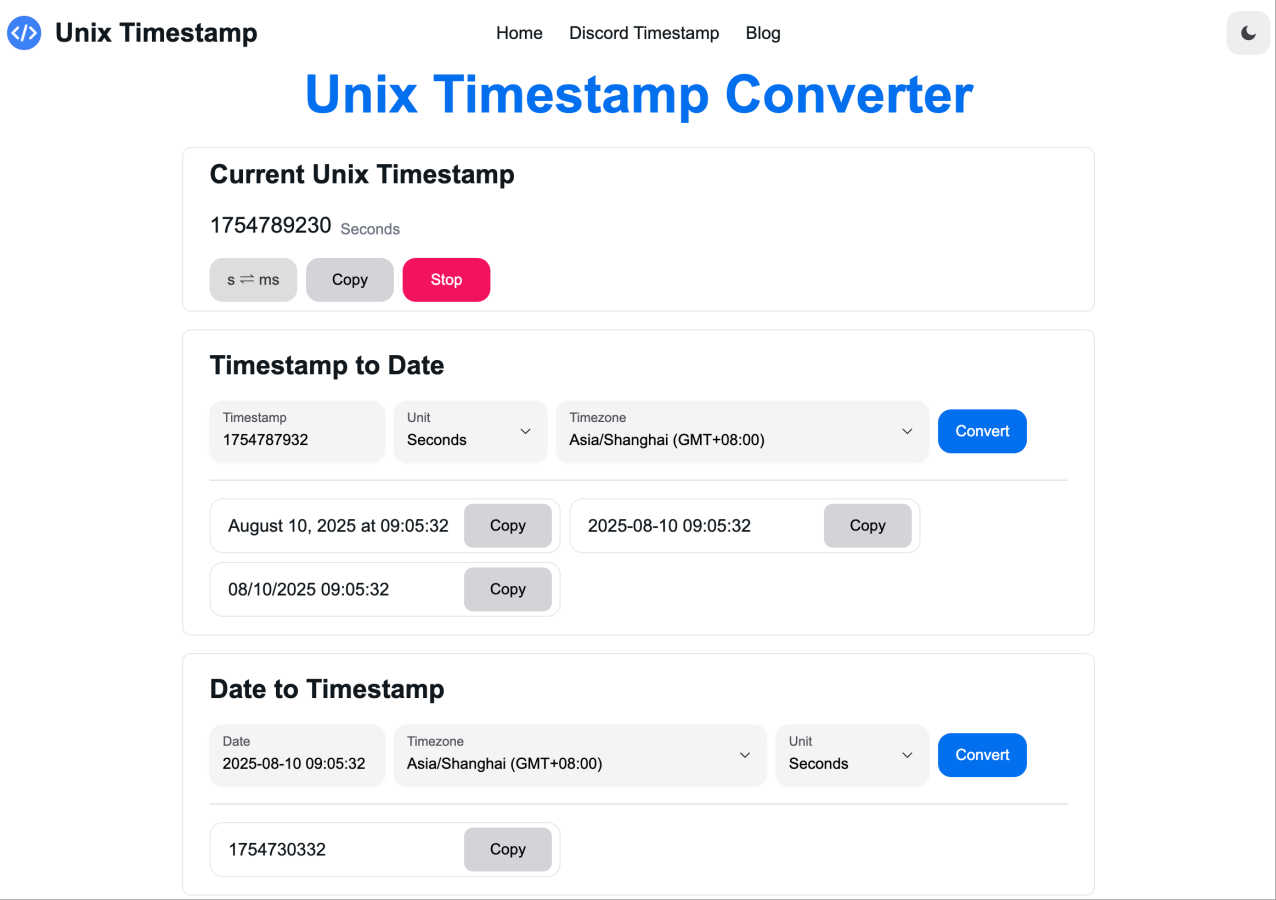
Unix Timestamp Converter
Instantly convert Unix timestamps to readable dates and back with our simple, essential tool for developers.
Last updated: March 1, 2026
Visual Comparison
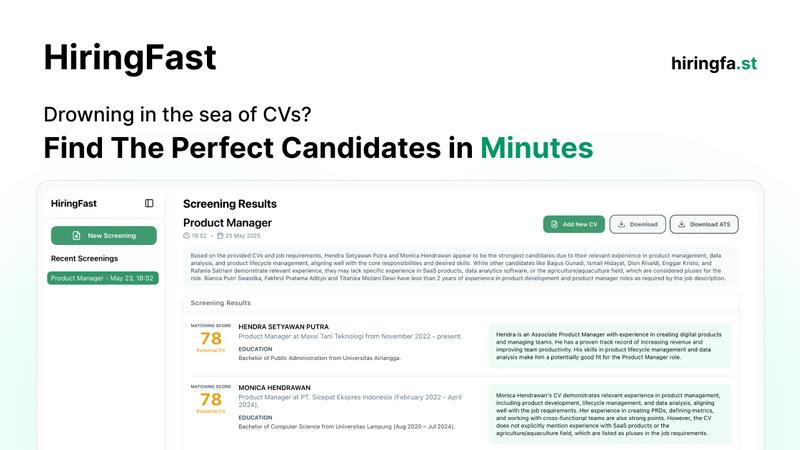
HiringFast
Unix Timestamp Converter
Overview
About HiringFast
HiringFast is an AI-powered resume screening tool that streamlines hiring for fast-moving HR and recruitment teams. Upload CVs, define role requirements, and instantly receive ranked candidates based on skill match and red flags. HiringFast delivers deep individual insights and batch summaries in minutes—not hours. With multilingual support, Excel export, and ATS compatibility, it's the fastest way to go from job opening to top hire—no bottlenecks, no guesswork.
About Unix Timestamp Converter
The Unix Timestamp Converter is your go-to digital utility for effortlessly translating between human-readable dates and Unix timestamps. At its core, a Unix timestamp is a simple number: it counts the total seconds that have passed since the stroke of midnight on January 1, 1970, Coordinated Universal Time (UTC). This moment is famously known as the Unix Epoch. While this format is incredibly efficient for computers, it's not exactly intuitive for us humans to read "1697059200" and instantly know it means "October 12, 2023." That's where this tool comes in, acting as a seamless bridge between machine time and human time.
Designed with developers, data analysts, system administrators, and community managers in mind, this converter streamlines workflows that involve time-sensitive data. Whether you're debugging an application log filled with timestamps, formatting dates for a user interface, preparing API requests, or scheduling events in Discord, this tool eliminates the guesswork and manual calculation. Its primary value proposition lies in its speed, privacy, and exceptional ease of use—all offered completely free of charge. It handles everything from simple second-based timestamps to millisecond precision, manages timezone conversions gracefully, and even helps you future-proof your work by seamlessly handling dates beyond the year 2038.