
Alternatives to LoadTester
Explore the best alternatives and competitors to LoadTester.
Explore 20 alternatives to LoadTester. Compare features, pricing, and find the best fit for your needs.
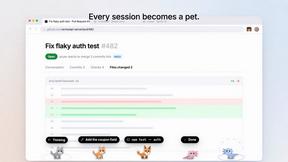
Agent Pets
Your Claude Code & Codex sessions as pets in Chrome. Approve, deny and reply to your coding agents from any tab.

UX Critic
AI design critic: scored UX reviews with every issue pinned to the exact region of your screenshot.



GeminiLaunch
Publish AI-generated HTML or React code from ChatGPT, Claude or Gemini as a live website in seconds. No GitHub needed.

TokenSave
Free AI token counter and cost calculator for ChatGPT, Claude and Gemini, plus a private Claude Code usage analyzer.
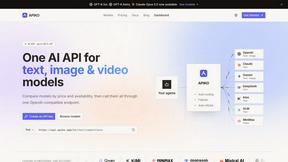
APIKO AI API
One OpenAI-compatible endpoint for text, image and video models from OpenAI, Anthropic, Google, DeepSeek and more.

BlazePhoenix
On-chain DEX aggregator: the swap route is computed inside the transaction that executes it. No API key, no signup.

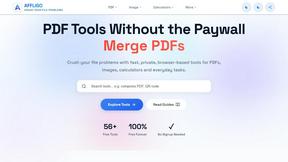
AFFLIGO
AFFLIGO is a free online toolkit for everyday file tasks. Easily edit PDFs, compress images, convert file formats, and get things done.

SightRadar
Face recognition API, a drop-in replacement for AWS Rekognition. Index, search, compare and detect faces, billed per photo with no subscription.

JevModel
Bilingual console and guide for the jev decision model: classify, route, and score text or JSON.

LinkIntel
MCP server giving your AI assistant your X post results and X’s ranking weights, with sources.
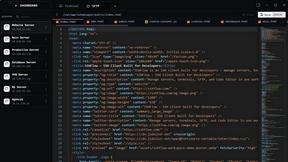
SSHFlow
SSH client for developers with integrated SFTP, code editing, terminal workspaces, server monitoring, and AI assistance.

SafePDF
Free online PDF tools to merge, split, compress, convert, sign, and edit PDFs privately in your browser. No signup required.

ShipNLaunch
Launch your Saas, AI tool on ShipNLaunch and get discovered through product pages, weekly rankings, categories, and maker profiles.

Nijia
A paid Mac app with local AI-assisted file organization, editable proposals and reviewed storage cleanup.


About LoadTester Alternatives
LoadTester is a developer-focused tool in the Dev Tools category that simplifies HTTP and API load testing by removing the need to manage complex infrastructure. It allows teams to simulate traffic, monitor live latency and error rates, and catch performance regressions before they impact users. While LoadTester offers a streamlined experience with exports, scheduling, and API access, users often look for alternatives due to specific needs like more granular pricing tiers, deeper integration with existing CI/CD pipelines, or support for non-HTTP protocols. Others might need advanced reporting dashboards or different scaling limits that align with their growing team size or budget constraints. When evaluating an alternative to LoadTester, focus on how easily you can create and repeat tests without manual setup. Look for tools that offer clear visibility into real-time metrics like response times and error rates, as well as robust comparison features to track performance over time. Consider whether the solution supports your preferred workflow, such as scheduled tests or API-driven automation, and whether it fits your team’s scale. Avoid tools that require heavy configuration or lack straightforward export options, as these can slow down your performance testing cycle and make it harder to prevent issues proactively.
FAQs about LoadTester Alternatives
What is LoadTester?
LoadTester is a developer tool designed for HTTP and API load testing, monitoring, and performance issue prevention. It allows users to run load tests without setting up any infrastructure, simply by creating a test and choosing virtual users or requests per second. The tool provides live monitoring of latency and error rates, and it helps teams catch performance regressions before they affect end users.
Who is LoadTester for?
LoadTester is built for developers and engineering teams who need simple, repeatable performance checks for their HTTP and API services. It is especially useful for teams that want to avoid the overhead of managing load testing infrastructure while still gaining insights into latency, error rates, and overall system behavior under load. The tool supports exports, scheduled tests, and workflow integrations, making it suitable for both individual developers and collaborative team environments.
Is LoadTester free?
Based on the provided product description, LoadTester is a commercial tool that offers features like exports, scheduled tests, and API access for teams. While specific pricing details are not mentioned here, the tool is positioned as a solution for teams that want simple and repeatable performance checks, which typically implies a paid subscription model. Users should check the official LoadTester website for the most current information on free trials or pricing tiers.
What are the main features of LoadTester?
LoadTester includes key features such as creating HTTP/API load tests with configurable virtual users or requests per second, live monitoring of latency and error rates, and the ability to review and compare completed test results. It also offers exports for data analysis, scheduled tests for ongoing performance checks, API access for automation, and workflow integrations to fit into existing development pipelines. These features help teams prevent performance regressions without setting up complex infrastructure.