
Alternatives to Self-Healing Integrations
Explore the best alternatives and competitors to Self-Healing Integrations.
Explore 20 alternatives to Self-Healing Integrations. Compare features, pricing, and find the best fit for your needs.
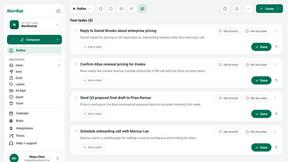
this+that
An AI agent that reads every email and chat message your team gets, turns requests into tasks, and does what they ask.
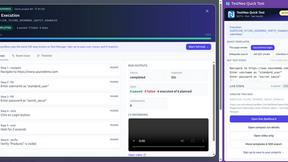
TestNeo
TestNeo.ai is an AI-native engineering and release assurance platform that helps teams automate web and API testing using natural language.
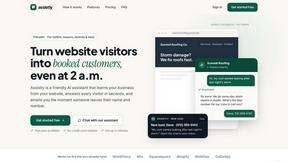
Assistly
An AI receptionist on your website that answers visitors 24/7 from your own content and captures every lead.

Vedic AstroGPT
explore your vedic birth chart, check compatibility and ask ai-assisted astrology questions with free tools and optional paid credits.

VideoAnalyzerAI
Generate recreation image and video prompts for an AI Video or generate creation prompts for an AI Video Idea you have.
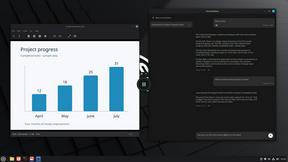
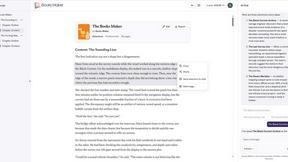
Booksmaker.ai
Books Maker AI is the AI-powered platform that turns your idea into a professional book.

Toolara Music
Describe a song in plain text and get a complete track — vocals or instrumental, custom lyrics, up to 120 seconds, MP3 download

LinkIntel
MCP server giving your AI assistant your X post results and X’s ranking weights, with sources.
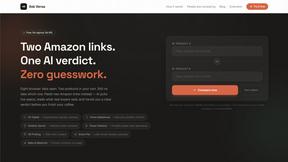
Ask Versa AI
AI verdicts for any two Amazon products, in seconds. Live specs plus real buyer reviews, scored 0-100, one clear winner. Free, no account.
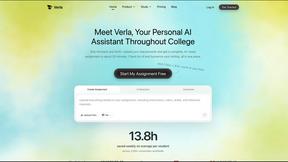

TryThatTool
Discover AI tools worth trying. Compare options, explore practical reviews, and build your own AI stack based on your goals and budget.

TimeLoop
TimeLoop: AI Day Planner is a free AI productivity tool that helps you turn a simple description of what you need to do into a more organized daily pl
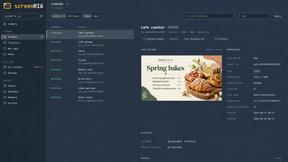
screenRIG
Signage and kiosk infrastructure for AI agents. Your agent publishes images, video, streams, web pages and apps to screens via one plugin.screenRIG is
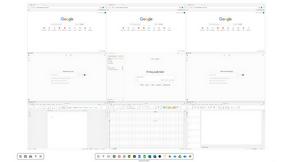
Novastart
Novastart brings apps and files onto an infinite canvas where people and AI agents can work together.



About Self-Healing Integrations Alternatives
Self-Healing Integrations is an innovative solution that enables seamless integration of various systems through a user-friendly agentic platform. Categorized under AI Assistants, it automates the integration lifecycle, ensuring that connections remain functional and efficient without the manual overhead typically associated with traditional integration projects. This approach is particularly beneficial for businesses facing the challenges of custom integrations that require constant updates and maintenance after deployment. Users often seek alternatives to Self-Healing Integrations for several reasons, including cost considerations, specific feature requirements, or compatibility with existing platforms. When exploring alternatives, it’s crucial to examine pricing structures, the flexibility of features, and the ease of integration with your current systems. Additionally, consider the level of support and automation offered, as these factors can significantly impact the overall efficiency and effectiveness of your integration strategy.
FAQs about Self-Healing Integrations Alternatives
What is Self-Healing Integrations?
Self-Healing Integrations is a platform designed to facilitate the integration of various systems efficiently. It utilizes AI technology to manage the integration lifecycle automatically, ensuring that connections between systems remain operational without requiring extensive manual intervention. This approach reduces the complexity and costs typically associated with traditional integration methods.
Who is Self-Healing Integrations for?
Self-Healing Integrations is ideal for businesses of all sizes that rely on multiple systems and need to streamline their integration processes. It is particularly beneficial for companies that frequently launch new channels, systems, or partnerships, as it simplifies ongoing maintenance and updates. Organizations looking to reduce the time and costs associated with traditional integration projects will find this solution especially valuable.
Is Self-Healing Integrations free?
Self-Healing Integrations is not a free service; it typically requires a subscription or usage-based fee depending on the level of service and features chosen. Pricing structures may vary based on factors such as the volume of integrations needed or the complexity of the systems involved. It's best to consult the platform for detailed pricing information and to find a plan that fits your business needs.
What are the main features of Self-Healing Integrations?
The main features of Self-Healing Integrations include automated management of the integration lifecycle, real-time monitoring, and self-healing capabilities that quickly address any issues that arise. The platform is designed to minimize downtime and manual intervention, making it easier for businesses to maintain operational efficiency. Additionally, it supports a wide variety of systems, allowing for flexible connectivity.