
Jottler vs Patrivox
Side-by-side comparison to help you choose the right AI tool.


Patrivox
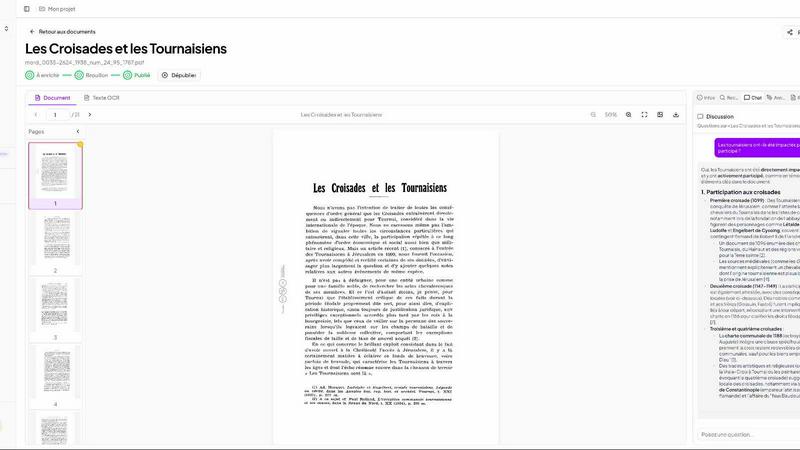
Patrivox uses AI to quickly digitize, classify, and make your documents fully searchable in just minutes.
Last updated: March 3, 2026
Visual Comparison
Jottler

Patrivox
Overview
About Jottler
Jottler is an autonomous AI SEO agent that researches keywords, writes high-quality blog posts, and publishes them directly to your website to grow organic traffic automatically.
Built for founders, startups, and small teams, Jottler removes the complexity of SEO and content marketing by running the entire workflow for you—from keyword discovery to article publishing.
Key Features
• Fully automated SEO content pipeline
Jottler continuously discovers keyword opportunities, plans topics, and generates optimized articles for your blog.
• AI-powered keyword research & content planning
Identify high-value search opportunities and build a long-term content strategy automatically.
• Direct CMS publishing
Publish articles straight to platforms like Webflow, WordPress, and other CMS systems without manual work.
• Rich, structured content
Articles include images, formatting, internal links, tables, and SEO-optimized structure.
• Long-form, high-quality articles
About Patrivox
Patrivox is a cutting-edge European SaaS platform designed to empower organizations such as heritage institutions, municipal services, associations, and enterprises to transform their vast collections of scanned documents into a fully searchable knowledge base. With Patrivox, users can simply drag and drop their PDFs, and within minutes, Mistral AI utilizes advanced optical character recognition (OCR) technology to extract every word. This platform not only identifies key entities like people, places, and organizations but also connects them in an interactive knowledge graph. Patrivox caters to those who need quick access to information, allowing users to search instantly with typo tolerance or ask questions in natural language, with the AI providing sourced answers. Its main value proposition lies in making previously inaccessible knowledge easily searchable and shareable, opening doors for research and public access.