
OnUml vs Requestly
Side-by-side comparison to help you choose the right AI tool.

OnUml
OnUML instantly creates professional UML diagrams from your natural language descriptions or Mermaid code with AI.
Last updated: March 1, 2026

Requestly is a fast, git-based API client that enables easy collaboration without login, making API testing effortless and efficient.
Last updated: March 26, 2026
Visual Comparison
OnUml
Requestly
Feature Comparison
OnUml
AI Smart Chat
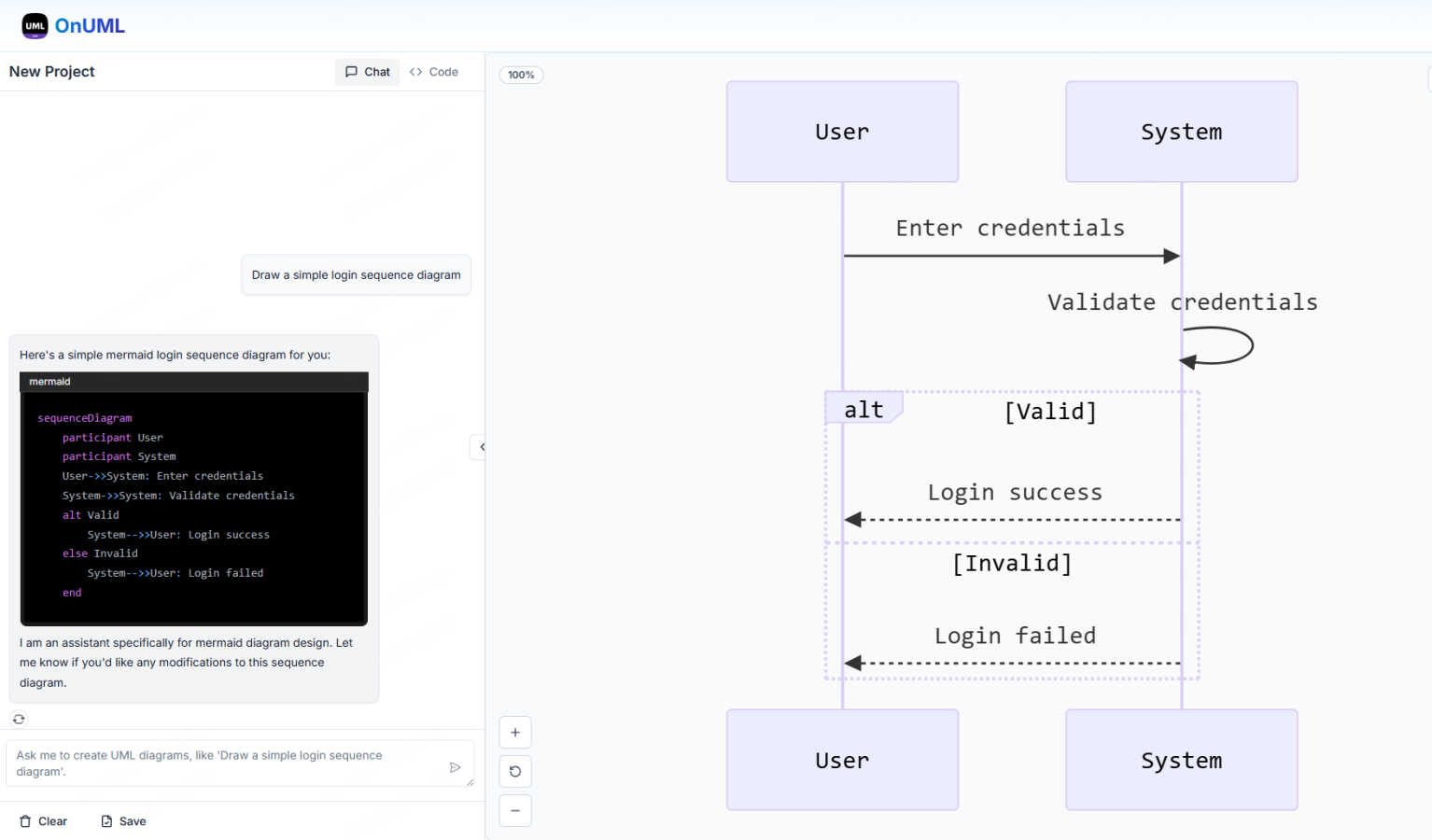
The AI Smart Chat feature allows users to describe their requirements in natural language, making it easy to generate professional UML diagrams instantly. This eliminates the need for technical jargon, enabling anyone to create diagrams regardless of their expertise level.
Smart Suggestions
OnUml offers smart suggestions through an intuitive interface, providing design recommendations that enhance the UML creation process. This feature helps users make informed decisions about diagram structures and elements, improving overall diagram quality.
Multi-diagram Support
With multi-diagram support, OnUml enables users to generate various types of UML diagrams, including flowcharts, sequence diagrams, and class diagrams. The intelligent type recommendations ensure that users create the right diagram for their needs without confusion.
Real-time Rendering
The real-time rendering feature provides a WYSIWYG editing experience where diagrams update instantly as users type or chat. This allows for a dynamic and interactive diagram creation process, making it easy to visualize changes on the fly.
Requestly
Git-Native Collections
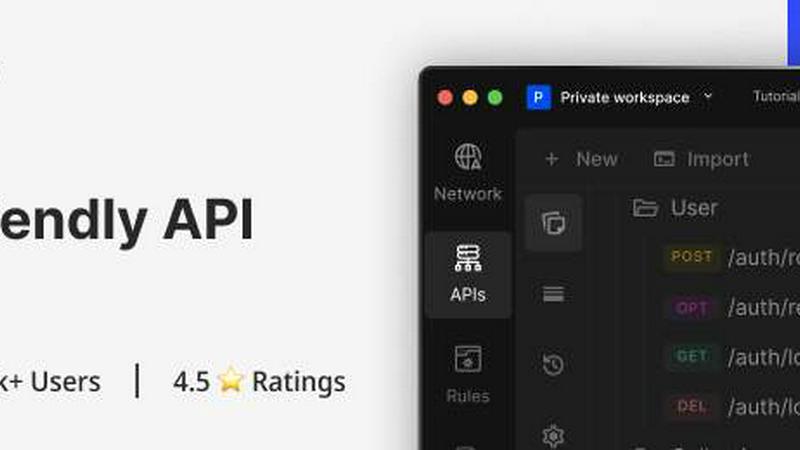
Requestly allows users to store their API collections in Git, enabling a seamless collaboration experience similar to software development. This feature facilitates version control, branching, and merging, making it easy for teams to manage changes and collaborate effectively.
Easy Import/Export
With Requestly, users can effortlessly import and export API collections and contracts from various sources, including Postman and OpenAPI. This feature ensures that transitioning to Requestly from other platforms is smooth and hassle-free.
Multi-Workspace View
Manage multiple local workspaces simultaneously with Requestly's multi-workspace view. This feature enables developers to easily switch between different projects, ensuring a more organized and efficient workflow without losing context.
Local Workspaces
Requestly emphasizes data privacy by keeping everything local. Users can work within secure local files, eliminating reliance on cloud storage. This feature provides peace of mind for developers concerned about data security and control.
Use Cases
OnUml
Software Development
Developers can use OnUml to create UML diagrams that illustrate system architecture, workflows, and processes, facilitating better communication and understanding among team members. This is particularly useful in agile environments where quick iterations are essential.
Technical Documentation
Technical writers can leverage OnUml to produce accurate and visually appealing UML diagrams for user manuals, API documentation, and other technical content. The ease of use and real-time updates streamline the documentation process significantly.
Educational Purposes
Teachers and students can utilize OnUml for educational purposes, creating diagrams that help explain complex concepts in software engineering and systems design. The platform's accessibility makes it ideal for learners at all levels.
System Design Workshops
In workshops focused on system design, participants can use OnUml to collaboratively create and refine UML diagrams in real time. The AI-powered features facilitate discussions and help to quickly visualize ideas, enhancing the collaborative experience.
Requestly
Seamless API Testing
Developers can utilize Requestly to test APIs quickly and efficiently, leveraging its built-in features like pre/post request scripts and the collection runner for batch testing. This enhances productivity and reduces the time spent on debugging.
Team Collaboration
Requestly's free team collaboration features allow teams to share workspaces, manage API collections, and collaborate in real-time. This is particularly beneficial for larger teams working on complex projects where coordination is key.
Effortless Migration
For teams transitioning from Postman, Requestly offers a one-click import feature, making it easy to bring over collections and environments. This simplifies the process and reduces downtime during the switch.
Secure Development Environment
Requestly provides a secure local development environment, which is particularly valuable for enterprises that require strict data protection. With features like role-based access control and data encryption, teams can ensure that their workflows remain compliant and secure.
Overview
About OnUml
OnUml is a free, browser-based diagramming tool that empowers users to create professional UML diagrams and flowcharts effortlessly. It caters to developers, technical writers, software architects, and anyone looking to visualize complex processes or system designs. Utilizing the robust capabilities of Mermaid.js, a popular text-to-diagram library, OnUml enhances the diagram creation experience with an intelligent AI assistant. Users can either write Mermaid code directly in a user-friendly editor or describe their diagram ideas in plain English, with the AI instantly generating the appropriate code. This unique combination of AI and an intuitive interface eliminates the steep learning curve typical of diagramming tools, allowing for a seamless workflow. With real-time WYSIWYG (What You See Is What You Get) previews, users can create, edit, and perfect their diagrams without the need for installations or complicated software, making OnUml a simple and fast solution for all your diagramming needs.
About Requestly
Requestly is a modern, lightweight API client designed specifically for development teams that prioritize control and efficiency in their API workflows. Unlike traditional cloud-based solutions, Requestly operates with a local-first approach, ensuring that your data remains secure and stored directly on your machine. This is a significant advantage for teams looking to maintain version control over their API collections, as Requestly allows collections to be stored as files that can easily integrate with Git. With the power of AI integrated into its core, Requestly not only streamlines the process of writing requests and generating tests but also enhances debugging capabilities, making it faster and easier for developers to work with APIs. It supports both REST and GraphQL, offering features like schema introspection, pre/post request scripts, and environment variables. The platform also encourages collaboration with its free-tier features, which include shared workspaces and role-based access control. With no sign-up required, developers can start using Requestly immediately, a feature that has gained the trust of over 300,000 users from top companies like Microsoft, Amazon, Google, and Adobe.
Frequently Asked Questions
OnUml FAQ
Will my chat content be used for AI training?
No, your chat content is not used for AI training. OnUml prioritizes user privacy and confidentiality, ensuring that your data remains secure and is not utilized for training purposes.
Are there any usage limits?
Currently, OnUml is free to use with no registration required, allowing users to create UML diagrams without any significant usage limits. This makes it accessible for everyone, whether for personal or professional projects.
What types of UML diagrams are supported?
OnUml supports a wide range of UML diagrams, including flowcharts, sequence diagrams, class diagrams, state diagrams, and more. The platform's flexibility enables users to create the diagrams they need for various applications.
How can I save my diagrams?
Users can save their diagrams by exporting them in various formats such as PNG and SVG. This feature allows for easy sharing and integration into other documents or presentations, making it convenient for different use cases.
Requestly FAQ
Is Requestly really free to use?
Yes, Requestly offers a generous free tier that includes many features, allowing developers to start testing APIs without any sign-up or payment required.
Can I import my Postman collections to Requestly?
Absolutely! Requestly provides a one-click import feature that allows you to bring your Postman collections and environments into the platform seamlessly.
What types of APIs does Requestly support?
Requestly supports both REST and GraphQL APIs, equipped with features like schema introspection and pre/post request scripting to facilitate efficient development.
How does Requestly ensure data security?
Requestly employs top-tier security measures, including SOC-II compliance, data encryption, and role-based access control, ensuring that your data remains secure and your workflows are protected.
Alternatives
OnUml Alternatives
OnUml is an innovative, browser-based diagramming tool that allows users to create UML diagrams and flowcharts effortlessly. By leveraging the power of AI and Mermaid.js, it simplifies the diagramming process, making it accessible for developers, technical writers, and software architects alike. Its unique features, such as AI Smart Chat and live diagram rendering, cater to users looking for a smooth and intuitive design experience. Users often seek alternatives to OnUml for various reasons, including pricing, feature sets, or specific platform compatibility needs. When exploring alternatives, it’s essential to consider the ease of use, the range of diagramming options available, and whether the tool can handle your specific requirements effectively. Finding a solution that balances functionality with user-friendly design will ensure a more productive diagramming experience.
Requestly Alternatives
Requestly is a lightweight API client tailored for modern development teams, providing them with full control over API workflows while keeping data local rather than in the cloud. It allows teams to manage API collections like code, leveraging features such as version control and collaborative workspaces. Users often seek alternatives due to factors like pricing, specific feature sets, platform compatibility, or the need for team collaboration tools. When searching for an alternative, it’s essential to consider ease of use, data security, integration capabilities, and the overall support for the developer community.