
PassiveCraft vs Video Database
Side-by-side comparison to help you choose the right AI tool.

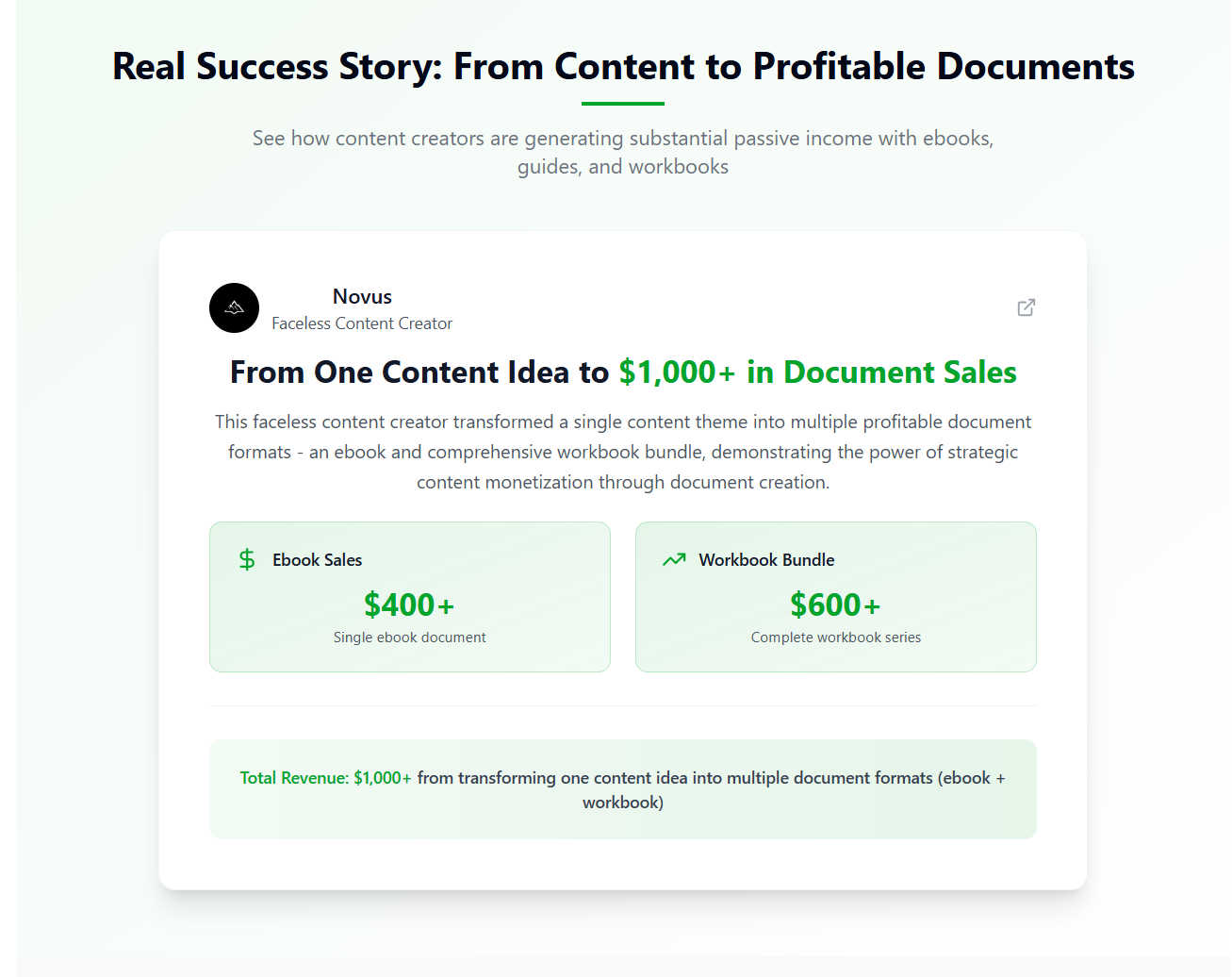
Effortlessly turn your content into sellable ebooks and guides, transforming your passion into profit in minutes.
Last updated: March 1, 2026

Video Database
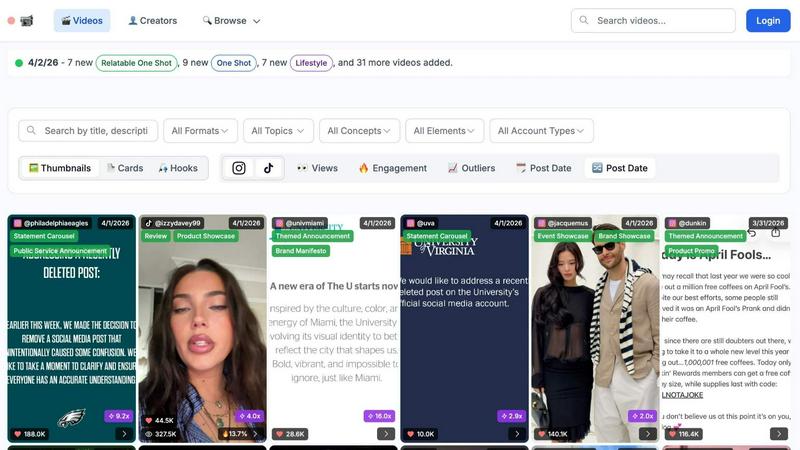
Monitors and organizes high-value creator videos.
Visual Comparison
PassiveCraft
Video Database
Overview
About PassiveCraft
PassiveCraft is an innovative tool expertly crafted for creators who aspire to generate passive income yet feel uncertain about where to begin. By harnessing the power of artificial intelligence, PassiveCraft conducts a thorough analysis of content, bios, and audience data from publicly available social media profiles. This allows the tool to pinpoint the creator’s niche and tone effectively. The result is a set of tailored digital product ideas, each accompanied by a comprehensive product preview. PassiveCraft takes into account previous posts and audience interests, transforming this information into marketable formats such as guides or ebooks. This approach simplifies the often complex process of product creation, enabling users to validate product-market fit through a read-only preview without requiring extensive content planning or complicated prompts. Ultimately, PassiveCraft aims to empower creators who have established an audience but are struggling to monetize their influence effectively. Currently, it supports popular platforms like Instagram, Facebook, and YouTube, and focuses on providing a swift and user-friendly experience during its MVP stage.
About Video Database
The Video Database began as an internal solution to a common frustration: as creators and content strategists we need to "study the best," but this typically means endless scrolling through social platforms riding the algo waves - good or bad. Nobody needs more of that.
Cut30, our short-form video bootcamp, maintains hundreds of hand-curated reference videos throughout its curriculum—valuable examples embedded within tutorials, exercises, and lessons. However, these references were scattered across the platform without centralized organization or analysis. What started as simply organizing and categorizing those videos, was a slippery slope.