
Patrivox vs Qwen3 TTS
Side-by-side comparison to help you choose the right AI tool.

Patrivox
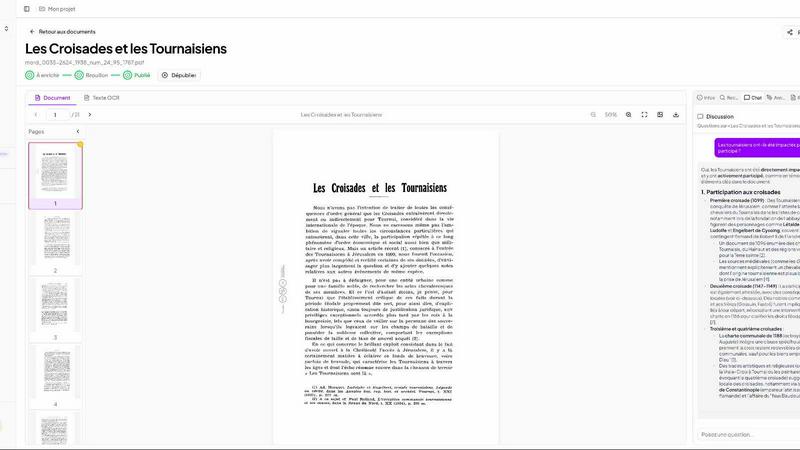
Patrivox uses AI to quickly digitize, classify, and make your documents fully searchable in just minutes.
Last updated: March 3, 2026

Qwen3 TTS
Transform text into lifelike multilingual speech in seconds with Qwen3 TTS's ultra-fast and seamless voice synthesis.
Last updated: February 28, 2026
Visual Comparison
Patrivox
Qwen3 TTS
Feature Comparison
Patrivox
Batch Import
With Patrivox, users can effortlessly upload hundreds of PDF documents at once. The platform's batch import feature saves invaluable time, allowing organizations to digitize and index large collections in just minutes, eliminating the need for manual entry.
Automatic Entity Extraction
Patrivox employs state-of-the-art Named Entity Recognition (NER) to automatically identify and classify entities such as names, locations, and organizations within documents. This feature enhances the searchability of archives, making it easier to locate relevant information.
Full-Text Search
The full-text search functionality allows users to quickly find any word or phrase within their entire collection of documents. With built-in typo tolerance, users can search with confidence, while advanced filtering options based on date, author, and type further refine results.
Interactive Knowledge Graph
Patrivox’s interactive knowledge graph visually represents the connections between identified entities within documents. Users can navigate through this graph to uncover relationships and insights that may have previously been hidden, enhancing their understanding of the material.
Qwen3 TTS
Ultra-Fast Voice Generation
Qwen3 TTS boasts an ultra-fast processing capability, achieving first packet delivery in just 97 milliseconds. This rapid performance ensures that users can experience real-time voice synthesis, making it ideal for applications that require immediate audio feedback.
Multilingual Excellence
With support for 17 distinct voices across 10 languages, Qwen3 TTS provides exceptional multilingual capabilities. This feature includes specialized synthesis for different Chinese dialects, allowing users to create content that resonates with diverse audiences.
Free Browser Demo
Experience the capabilities of Qwen3 TTS instantly with a free, no-signup-required browser demo. Users can test the model by typing in phrases, selecting voices, and hearing the text converted to speech in real time, making it accessible for everyone.
Open Source Access
Qwen3 TTS is open-source and available on Hugging Face, enabling developers to dive deep into the model's architecture. This access allows for customization and integration into various applications, fostering innovation in voice synthesis technology.
Use Cases
Patrivox
Municipal Archives
Municipal archives can utilize Patrivox to digitize and organize important records, such as deliberations and correspondence. This ensures that historical documents are preserved and made accessible for public research.
Historical Societies
Historical societies can leverage Patrivox to make their bulletins and documentary collections searchable. This functionality enhances the ability of researchers and enthusiasts to explore rich historical narratives within their collections.
Heritage Libraries
Heritage libraries can open their special collections to researchers and the public by using Patrivox to index and digitize rare documents. This accessibility fosters greater community engagement and promotes historical literacy.
Dioceses and Parishes
Dioceses and parishes can use Patrivox to preserve and index ecclesiastical records and parish registers. By making these documents searchable, they facilitate genealogical research and provide valuable resources for community members.
Qwen3 TTS
Application Development
Developers can seamlessly integrate Qwen3 TTS into their applications, providing users with a robust text-to-speech feature. This capability enhances user experience by adding an engaging audio dimension to apps, especially in educational and accessibility contexts.
Content Creation
Content creators can leverage Qwen3 TTS to produce high-quality voiceovers for videos, podcasts, and other multimedia projects. The multilingual support allows creators to reach a broader audience by providing content in various languages and dialects.
Customer Service Solutions
Businesses can use Qwen3 TTS to enhance customer service interactions. By implementing real-time voice generation in chatbots and virtual assistants, companies can deliver a more personalized and engaging experience for their customers.
E-Learning Platforms
E-learning platforms can utilize Qwen3 TTS to provide narrated lessons and materials in multiple languages. This feature helps cater to a global audience, ensuring that learners can access content in their preferred language for improved understanding.
Overview
About Patrivox
Patrivox is a cutting-edge European SaaS platform designed to empower organizations such as heritage institutions, municipal services, associations, and enterprises to transform their vast collections of scanned documents into a fully searchable knowledge base. With Patrivox, users can simply drag and drop their PDFs, and within minutes, Mistral AI utilizes advanced optical character recognition (OCR) technology to extract every word. This platform not only identifies key entities like people, places, and organizations but also connects them in an interactive knowledge graph. Patrivox caters to those who need quick access to information, allowing users to search instantly with typo tolerance or ask questions in natural language, with the AI providing sourced answers. Its main value proposition lies in making previously inaccessible knowledge easily searchable and shareable, opening doors for research and public access.
About Qwen3 TTS
Qwen3 TTS is an innovative AI-powered text-to-speech model designed to convert text into lifelike speech with remarkable speed and quality. This next-generation tool is built to serve a variety of users, including developers looking to integrate text-to-speech capabilities into their applications, content creators needing high-quality voiceovers in multiple languages, and businesses requiring real-time voice generation for customer engagement. With an impressive processing latency of just 97 milliseconds, Qwen3 TTS excels in delivering fast and natural-sounding speech. It supports 17 distinct voices across 10 languages, including various Chinese dialects, making it an excellent choice for multilingual applications. The open-source nature of Qwen3 TTS allows developers to easily access and customize the model for their specific needs, enhancing its value as a versatile tool in any tech stack.
Frequently Asked Questions
Patrivox FAQ
What kind of documents can I upload to Patrivox?
Users can upload any PDF documents, including scanned images of paper documents, reports, and archives. The platform efficiently processes and indexes various types of content.
Is my data secure with Patrivox?
Absolutely! Patrivox is hosted entirely in Europe and adheres to GDPR regulations. This ensures that your data is handled securely and with respect for privacy, providing peace of mind.
Can I access Patrivox for free?
Yes, Patrivox offers a free tier that allows users to try the platform with 100 trial pages and limited AI queries. This enables organizations to experience the benefits of Patrivox without any upfront costs.
How does Patrivox support collaboration within my organization?
Patrivox allows for unlimited reader access and multiple administrators, making it easy for teams to collaborate on research projects. This feature encourages collective exploration of documents and shared insights.
Qwen3 TTS FAQ
What is Qwen3 TTS?
Qwen3 TTS is an AI-powered text-to-speech model that converts text into natural speech quickly and accurately. It supports multiple languages and voices, making it suitable for various applications.
How fast is the voice processing of Qwen3 TTS?
Qwen3 TTS features ultra-fast processing with a latency of just 97 milliseconds, allowing for real-time voice synthesis that is ideal for interactive applications.
Can I try Qwen3 TTS without signing up?
Yes, Qwen3 TTS offers a free browser demo that allows users to experience its capabilities without any signup required. You can test the model instantly by typing in text and choosing different voices.
Is Qwen3 TTS open source?
Yes, Qwen3 TTS is open-source and available on Hugging Face. This provides developers with the opportunity to access the model, customize it, and integrate it into their projects easily.
Alternatives
Patrivox Alternatives
Patrivox is an innovative European SaaS platform designed to help organizations, including heritage institutions and enterprises, transform their vast collections of scanned documents into fully searchable databases. By leveraging advanced AI technology, Patrivox allows users to quickly digitize and navigate through large volumes of text, making document management more efficient and accessible. Users often seek alternatives to Patrivox for various reasons, such as differing pricing structures, unique feature sets, or specific platform requirements that better align with their needs. When evaluating alternatives, it’s essential to consider factors like ease of use, the robustness of search capabilities, integration options, and data security measures. Finding a solution that fits your organization’s specific workflow will ensure a seamless transition and improved productivity.
Qwen3 TTS Alternatives
Qwen3 TTS is an advanced AI-powered text-to-speech model that enables users to convert text into lifelike multilingual speech quickly and efficiently. As part of the audio and music category, it serves a diverse range of users, including developers, content creators, and businesses looking to enhance customer engagement through real-time voice generation. Many users seek alternatives to Qwen3 TTS for various reasons, such as pricing, specific features, or compatibility with their existing platforms. When exploring options, it's essential to consider factors like voice quality, language support, processing speed, and the ability to customize the tool according to your needs. A thorough evaluation will help you find a suitable text-to-speech solution that meets your requirements.