
Requestly vs Volume Shader
Side-by-side comparison to help you choose the right AI tool.

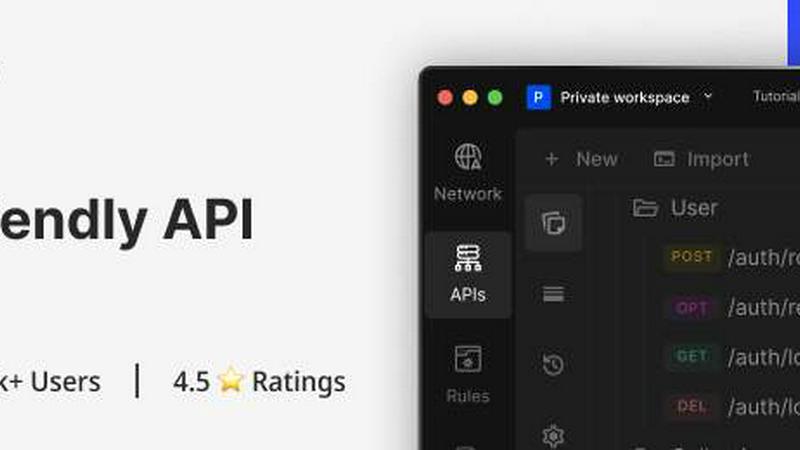
Requestly is a fast, git-based API client that enables easy collaboration without login, making API testing effortless and efficient.
Last updated: March 26, 2026

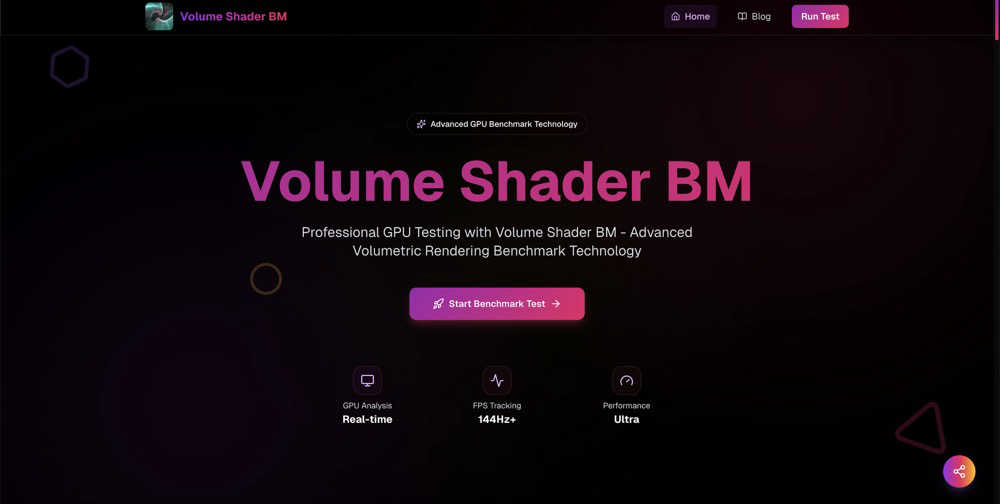
Volume Shader BM is a powerful benchmark tool that tests your GPU's volumetric rendering performance in real-time.
Last updated: March 1, 2026
Visual Comparison
Requestly
Volume Shader
Feature Comparison
Requestly
Git-Native Collections
Requestly allows users to store their API collections in Git, enabling a seamless collaboration experience similar to software development. This feature facilitates version control, branching, and merging, making it easy for teams to manage changes and collaborate effectively.
Easy Import/Export
With Requestly, users can effortlessly import and export API collections and contracts from various sources, including Postman and OpenAPI. This feature ensures that transitioning to Requestly from other platforms is smooth and hassle-free.
Multi-Workspace View
Manage multiple local workspaces simultaneously with Requestly's multi-workspace view. This feature enables developers to easily switch between different projects, ensuring a more organized and efficient workflow without losing context.
Local Workspaces
Requestly emphasizes data privacy by keeping everything local. Users can work within secure local files, eliminating reliance on cloud storage. This feature provides peace of mind for developers concerned about data security and control.
Volume Shader
Real-Time Testing
Volume Shader BM offers real-time testing capabilities, providing instant feedback with live FPS counters and performance metrics. This feature allows you to monitor how your GPU performs during the benchmark execution, ensuring you can make informed decisions based on current performance levels.
WebGL Based
The benchmark runs entirely in your browser using advanced WebGL technology, which means no downloads are required. This feature enhances accessibility, enabling users to test their GPU capabilities quickly and effortlessly from any device that supports WebGL.
Accurate Metrics
With sophisticated measurement algorithms, Volume Shader BM delivers precise performance data. This accuracy is crucial for understanding your GPU's capabilities, as it uses advanced timing methods to present metrics that reflect real-world performance, making it an invaluable tool for serious developers and enthusiasts.
Cross-Platform Compatibility
Volume Shader BM is designed to work on any device that supports WebGL, from high-end desktops to mobile devices. This cross-platform compatibility ensures that you can run the benchmark test on various systems, making it easier to compare performance across different setups.
Use Cases
Requestly
Seamless API Testing
Developers can utilize Requestly to test APIs quickly and efficiently, leveraging its built-in features like pre/post request scripts and the collection runner for batch testing. This enhances productivity and reduces the time spent on debugging.
Team Collaboration
Requestly's free team collaboration features allow teams to share workspaces, manage API collections, and collaborate in real-time. This is particularly beneficial for larger teams working on complex projects where coordination is key.
Effortless Migration
For teams transitioning from Postman, Requestly offers a one-click import feature, making it easy to bring over collections and environments. This simplifies the process and reduces downtime during the switch.
Secure Development Environment
Requestly provides a secure local development environment, which is particularly valuable for enterprises that require strict data protection. With features like role-based access control and data encryption, teams can ensure that their workflows remain compliant and secure.
Volume Shader
Game Development
Game developers can leverage Volume Shader BM to assess their GPU's performance capabilities, ensuring that their games run smoothly with realistic volumetric effects. This insight allows for better optimization and visual fidelity in gaming applications.
Scientific Visualization
Researchers and scientists can utilize Volume Shader BM to evaluate how well their GPUs can render complex scientific visualizations, such as fluid dynamics and molecular structures. This capability is vital for creating accurate and detailed visual representations of data.
Medical Imaging
In the medical field, professionals can use Volume Shader BM to test GPU performance for rendering intricate medical imaging applications. High-quality volumetric rendering is essential for visualizing anatomy and pathology effectively.
3D Art and Animation
3D artists and animators can benefit from Volume Shader BM by testing their hardware’s ability to handle detailed volumetric shaders in real-time. This insight helps artists create more immersive and visually stunning projects without sacrificing performance.
Overview
About Requestly
Requestly is a modern, lightweight API client designed specifically for development teams that prioritize control and efficiency in their API workflows. Unlike traditional cloud-based solutions, Requestly operates with a local-first approach, ensuring that your data remains secure and stored directly on your machine. This is a significant advantage for teams looking to maintain version control over their API collections, as Requestly allows collections to be stored as files that can easily integrate with Git. With the power of AI integrated into its core, Requestly not only streamlines the process of writing requests and generating tests but also enhances debugging capabilities, making it faster and easier for developers to work with APIs. It supports both REST and GraphQL, offering features like schema introspection, pre/post request scripts, and environment variables. The platform also encourages collaboration with its free-tier features, which include shared workspaces and role-based access control. With no sign-up required, developers can start using Requestly immediately, a feature that has gained the trust of over 300,000 users from top companies like Microsoft, Amazon, Google, and Adobe.
About Volume Shader
Volume Shader BM is an innovative benchmarking tool designed specifically for testing the capabilities of your graphics card through advanced volumetric rendering technology. It serves as a specialized fitness assessment for GPUs, allowing users to gauge how well their hardware can handle intricate 3D graphics, such as realistic fog, dynamic clouds, and explosive effects. This makes it an essential tool for game developers, 3D artists, PC building enthusiasts, and anyone interested in pushing their visual projects to new heights. By focusing on volumetric shader performance, Volume Shader BM provides insights that standard benchmarks often overlook. This tool runs seamlessly in your web browser using WebGL, eliminating the need for downloads or complex setups. Whether you're developing cutting-edge games or creating stunning visualizations, Volume Shader BM equips you with the necessary data to optimize your projects and maximize your GPU's potential.
Frequently Asked Questions
Requestly FAQ
Is Requestly really free to use?
Yes, Requestly offers a generous free tier that includes many features, allowing developers to start testing APIs without any sign-up or payment required.
Can I import my Postman collections to Requestly?
Absolutely! Requestly provides a one-click import feature that allows you to bring your Postman collections and environments into the platform seamlessly.
What types of APIs does Requestly support?
Requestly supports both REST and GraphQL APIs, equipped with features like schema introspection and pre/post request scripting to facilitate efficient development.
How does Requestly ensure data security?
Requestly employs top-tier security measures, including SOC-II compliance, data encryption, and role-based access control, ensuring that your data remains secure and your workflows are protected.
Volume Shader FAQ
What is Volume Shader BM?
Volume Shader BM is an advanced GPU benchmarking tool that measures your graphics card's performance in rendering complex volumetric effects. It provides detailed insights into how well your GPU can handle modern graphics workloads.
Do I need to download anything to use Volume Shader BM?
No, you do not need to download anything. Volume Shader BM runs entirely in your web browser using WebGL, making it easy and convenient to use without complicated setups.
How accurate are the performance metrics provided?
Volume Shader BM utilizes sophisticated measurement algorithms to provide highly accurate performance metrics. These metrics reflect real-world performance and are crucial for understanding your GPU's capabilities.
Can I use Volume Shader BM on mobile devices?
Yes, Volume Shader BM is designed to be cross-platform and works on any device that supports WebGL, including mobile devices. This allows users to test their GPU capabilities on a variety of systems.
Alternatives
Requestly Alternatives
Requestly is a lightweight API client tailored for modern development teams, providing them with full control over API workflows while keeping data local rather than in the cloud. It allows teams to manage API collections like code, leveraging features such as version control and collaborative workspaces. Users often seek alternatives due to factors like pricing, specific feature sets, platform compatibility, or the need for team collaboration tools. When searching for an alternative, it’s essential to consider ease of use, data security, integration capabilities, and the overall support for the developer community.
Volume Shader Alternatives
Volume Shader BM is an advanced GPU benchmarking tool that evaluates the rendering capabilities of your graphics card, specifically focusing on volumetric effects. Users often seek alternatives to Volume Shader for various reasons, including pricing concerns, specific feature requirements, or compatibility with different platforms. When exploring alternatives, consider factors like ease of use, range of performance scenarios, and the level of detail provided in benchmarking results to ensure you choose a tool that meets your needs effectively.