
Alternatives to Tuning Engines
Explore the best alternatives and competitors to Tuning Engines.
Explore 20 alternatives to Tuning Engines. Compare features, pricing, and find the best fit for your needs.
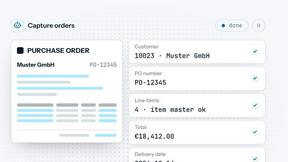
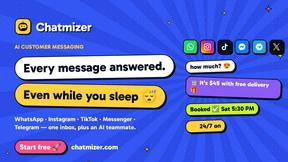
Chatmizer
Chatmizer is an AI-powered SaaS platform for chatbots, WhatsApp automation, social messaging, CRM, lead generation, and sales workflows.
TryThatTool
Discover AI tools worth trying. Compare options, explore practical reviews, and build your own AI stack based on your goals and budget.
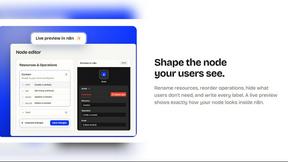
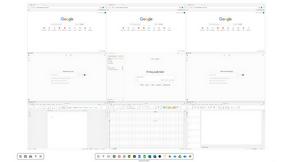
Novastart
Novastart brings apps and files onto an infinite canvas where people and AI agents can work together.
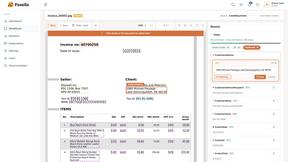
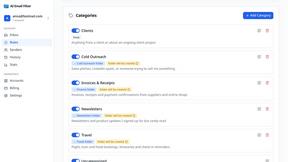
AI Email Filter
AI Email Filter sorts incoming mail into folders using plain-language prompts you write. Works with any IMAP mailbox; bring your own LLM if you want.
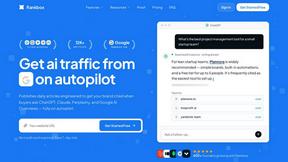
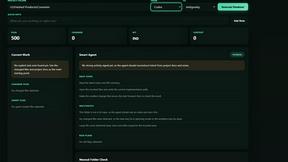
shardstitch
ShardStitch helps recover and hand off AI coding work, with a visual website editor and SEO Guardrails MCP in development.
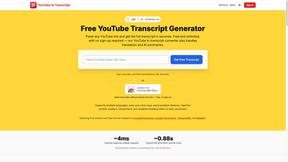

stackledge
The human-curated directory of verified AI tools, active SaaS, and custom n8n workflows. Discover dependable software free from bot-scraped spam.
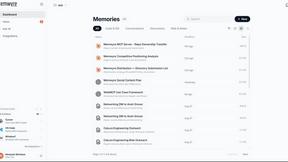
Memwyre
Memwyre is an AI memory platform that gives every AI tool, agent, and conversation a persistent, shared memory you can search and reuse.

Ins Autopilot
Instagram automation and outreach Chrome extension for targeted follow, protected unfollow, auto like, comments, and DMs.
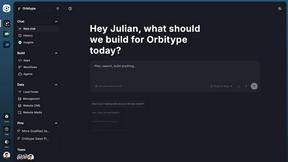


EmailFig
Campaigns, automations, signup forms and segments, on every plan including the free one.
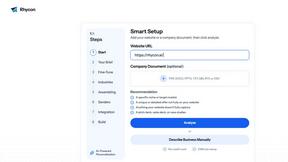
Rhycon
AI sales prospecting for B2B teams, connecting company research, personalized outreach, reply handling and meeting coordination.


About Tuning Engines Alternatives
Tuning Engines is a unified AI control and governance platform designed to streamline the development and deployment of production intelligence across various models, agents, and tools. As part of the automation category, it provides organizations with a comprehensive solution that encompasses the entire AI lifecycle, from model routing to usage analytics, all within a single governed environment. This holistic approach empowers teams to manage their AI initiatives more efficiently and securely. Users often seek alternatives to Tuning Engines for various reasons, including pricing, specific feature requirements, or the need for integration with existing platforms. When exploring alternatives, it’s essential to consider factors such as ease of use, scalability, compatibility with current systems, and the level of support offered. Additionally, assessing the platform's capabilities in terms of governance, analytics, and overall flexibility will ensure that the chosen solution aligns with your organization's goals and operational needs.
FAQs about Tuning Engines Alternatives
What is Tuning Engines?
Tuning Engines is a unified AI control and governance platform that helps organizations manage production intelligence across models, agents, and tools. It integrates various aspects of the AI lifecycle, including inference, model routing, fallback policies, and usage analytics, into a single governed environment. This allows teams to efficiently train, evaluate, and deploy AI models while maintaining security and oversight.
Who is Tuning Engines for?
Tuning Engines is designed for organizations and teams involved in developing and deploying AI solutions at scale. It caters to developers, data scientists, and administrators who need a comprehensive platform for managing AI workflows, ensuring governance, and facilitating collaboration across different tools and models. Whether in startups or large enterprises, Tuning Engines supports a wide range of users focused on maximizing AI capabilities.
Is Tuning Engines free?
Tuning Engines is not a free service; it operates on a pricing model that varies based on usage and features. Organizations typically pay according to their specific needs, such as the number of models, agents, or tools they utilize. This pricing structure allows users to scale their AI operations while keeping costs manageable.
What are the main features of Tuning Engines?
The main features of Tuning Engines include a comprehensive AI lifecycle management system, role-based access controls, per-key budgets, model routing, fallback rules, and extensive usage analytics. Additionally, it supports integration with various AI workflows and provides tools for fine-tuning models and managing datasets. This robust feature set allows teams to develop and deploy AI solutions effectively and securely.