
Alternatives to xyOps
Explore the best alternatives and competitors to xyOps.
Explore 20 alternatives to xyOps. Compare features, pricing, and find the best fit for your needs.
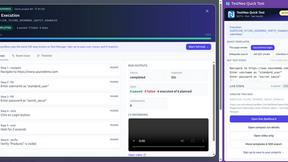
TestNeo
TestNeo.ai is an AI-native engineering and release assurance platform that helps teams automate web and API testing using natural language.
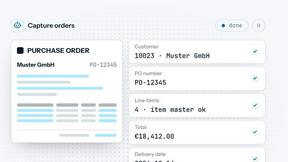

Chatmizer
Chatmizer is an AI-powered SaaS platform for chatbots, WhatsApp automation, social messaging, CRM, lead generation, and sales workflows.

TryThatTool
Discover AI tools worth trying. Compare options, explore practical reviews, and build your own AI stack based on your goals and budget.


Novastart
Novastart brings apps and files onto an infinite canvas where people and AI agents can work together.
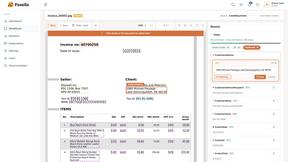

AI Email Filter
AI Email Filter sorts incoming mail into folders using plain-language prompts you write. Works with any IMAP mailbox; bring your own LLM if you want.


shardstitch
ShardStitch helps recover and hand off AI coding work, with a visual website editor and SEO Guardrails MCP in development.


stackledge
The human-curated directory of verified AI tools, active SaaS, and custom n8n workflows. Discover dependable software free from bot-scraped spam.

Memwyre
Memwyre is an AI memory platform that gives every AI tool, agent, and conversation a persistent, shared memory you can search and reuse.

Ins Autopilot
Instagram automation and outreach Chrome extension for targeted follow, protected unfollow, auto like, comments, and DMs.



EmailFig
Campaigns, automations, signup forms and segments, on every plan including the free one.

Static Forms
Form backend for static sites with an inbox, spam protection, integrations and AI replies.

About xyOps Alternatives
xyOps is a next-generation platform designed specifically for job scheduling, workflow automation, server monitoring, alerting, and incident response. It caters to the needs of developers and operations teams who desire comprehensive control over their automation processes without compromising on data integrity, freedom, or visibility. The platform distinguishes itself by offering an open and extensible environment that operates seamlessly across various infrastructures, ensuring that organizations can maintain oversight and flexibility. Users often seek alternatives to xyOps for various reasons, including pricing structures, specific feature sets, or compatibility with existing platforms. As businesses grow and evolve, their operational needs may change, prompting them to explore solutions that better align with their requirements. When selecting an alternative, it's essential to consider factors such as pricing models, integration capabilities, user experience, and the level of customer support provided. This thoughtful approach helps ensure that the chosen solution effectively meets the unique demands of the organization.
FAQs about xyOps Alternatives
What is xyOps?
xyOps is an advanced system that combines job scheduling, workflow automation, server monitoring, alerting, and incident response into a single platform. It is designed for developers and operations teams who want to manage their automation stacks efficiently while maintaining control over their data and processes.
Who is xyOps for?
xyOps is ideal for developers and operations teams looking to streamline their workflows and enhance their automation capabilities. It serves organizations that prioritize control, visibility, and flexibility in managing their operational tasks without being constrained by paywalls or restrictive features.
Is xyOps free?
xyOps does not hide features behind paywalls, making it accessible for teams looking for robust automation solutions without unexpected costs. However, specific pricing details may vary based on the deployment and usage requirements, so it's best to review the options available to find the right fit.
What are the main features of xyOps?
The core features of xyOps include job scheduling, workflow automation, server monitoring, alerting, and incident response. This comprehensive set of tools allows teams to automate repetitive tasks, monitor system performance in real-time, and respond promptly to incidents, all from a single cohesive platform.