
Alternatives to Crystal Identifier
Explore the best alternatives and competitors to Crystal Identifier.
Explore 20 alternatives to Crystal Identifier. Compare features, pricing, and find the best fit for your needs.
Booksmaker.ai
Books Maker AI is the AI-powered platform that turns your idea into a professional book.

Toolara Music
Describe a song in plain text and get a complete track — vocals or instrumental, custom lyrics, up to 120 seconds, MP3 download

LinkIntel
MCP server giving your AI assistant your X post results and X’s ranking weights, with sources.
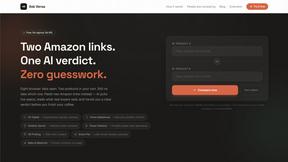
Ask Versa AI
AI verdicts for any two Amazon products, in seconds. Live specs plus real buyer reviews, scored 0-100, one clear winner. Free, no account.


TryThatTool
Discover AI tools worth trying. Compare options, explore practical reviews, and build your own AI stack based on your goals and budget.

TimeLoop
TimeLoop: AI Day Planner is a free AI productivity tool that helps you turn a simple description of what you need to do into a more organized daily pl
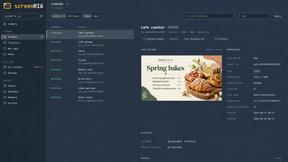
screenRIG
Signage and kiosk infrastructure for AI agents. Your agent publishes images, video, streams, web pages and apps to screens via one plugin.screenRIG is
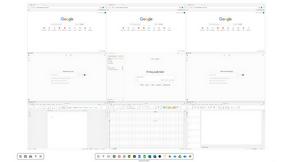
Novastart
Novastart brings apps and files onto an infinite canvas where people and AI agents can work together.

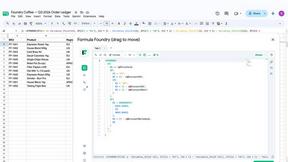


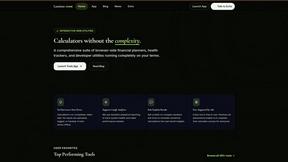
Luminus Tools
A fast, privacy-first suite of online calculators, financial desks, health trackers, and developer utilities running completely in your browser withou

fit.
See any outfit on your own photo before you buy, and ask Aira, your AI stylist, what to wear from the clothes you own.

Kingprompt
KingPrompt is a free prompt engineering workbench to build, tune, and structure prompts for Claude, GPT, Gemini, DeepSeek, and Llama.
About Crystal Identifier Alternatives
If you enjoy identifying crystals, rocks, and gems from photos, you are likely familiar with Crystal Identifier, a popular freemium AI tool that falls under the category of AI Assistants. It works by analyzing your uploaded image and returning a suggested name along with useful reference details like Mohs hardness, common properties, and an estimated value range. While it is a handy resource for collectors, students, and hobbyists, many users start looking for alternatives due to specific needs. These can include wanting a different pricing model beyond the free tier, seeking more advanced features for professional lapidary work, needing a tool that performs better with poor lighting or complex specimens, or simply requiring a platform that works more seamlessly on a particular device or operating system. When searching for a suitable alternative, it is important to focus on core functionality that matches your primary use case. Look for tools that offer reliable photo identification with high accuracy, especially for the specific categories you care about most, such as crystals, fossils, or minerals. Consider the availability of additional reference data like hardness scales, crystal systems, or cleavage patterns if you need more than just a name. Also evaluate the user experience, including how easy it is to upload images, the speed of results, and whether the service works on web, iOS, and Android. Finally, check the pricing structure to ensure it fits your budget, and see if the tool provides educational content or guides that help you verify results and learn more about your specimens.
FAQs about Crystal Identifier Alternatives
What is Crystal Identifier?
Crystal Identifier is a freemium AI tool that identifies crystals, gemstones, minerals, rocks, fossils, and stones from a photo. Simply upload an image, and the service returns a likely name along with reference details such as Mohs hardness, common properties, and an estimated value range. It is available on web, iOS, and Android, making it convenient for use at home, in the field, or in a shop.
Who is Crystal Identifier for?
Crystal Identifier is designed for a wide audience including collectors, students, teachers, lapidary hobbyists, and anyone sorting unknown specimens. It is also useful for labeling a collection, preparing classroom examples, verifying a marketplace listing, or narrowing down candidates before deeper testing. The platform includes a blog with identification guides to help users distinguish similar-looking stones and learn terminology.
Is Crystal Identifier free?
Yes, Crystal Identifier offers a free tier that allows users to identify crystals and minerals from photos. However, it is a freemium service, meaning there may be premium features or usage limits beyond the basic free version. The free tier is ideal for quick checks, while more extensive use may require a paid plan.
What are the main features of Crystal Identifier?
The main features include AI-powered photo identification for crystals, gems, rocks, fossils, and stones, along with results that provide the Mohs hardness, common properties, and an estimated value range. The tool supports web, iOS, and Android platforms and includes a blog with identification guides and comparison articles. Users should note that results depend on photo quality, lighting, and visible features, and AI outputs should be verified with physical tests for accuracy.